Posts tagged 2026-2
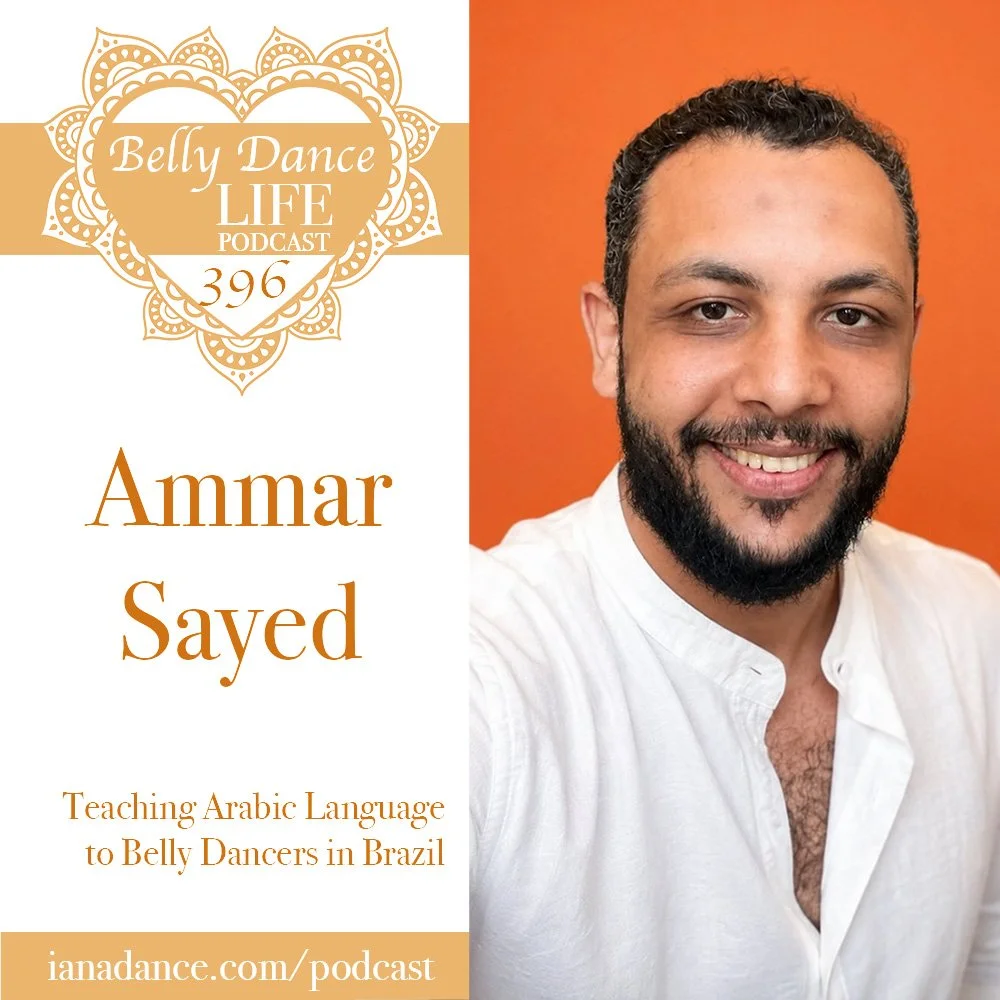
Ep 396. Ammar Sayed: Teaching Arabic Language to Belly Dancers in Brazil

Ammar Sayed is an Egyptian-born entrepreneur, and language teacher who has lived in Brazil for nearly a decade and is now a naturalized Brazilian based in João Pessoa. Certified in teaching English and Arabic as foreign languages, he has more than 10 years of experience in language education and has also worked in translation. Ammar teaches Classical and Egyptian Arabic as well as English, using practical and dynamic approaches that connect language learning with real-life situations and cultural context. Since launching his language school in 2018, he has worked with students in Brazil and abroad, helping them use foreign languages to reach personal and professional goals.

In this episode you will learn about:

  • How Egyptian Arabic differs from Classical Arabic

  • How understanding lyrics can completely change the way you interpret a song

  • Why literal translations often miss the real meaning and spirit of Arabic lyrics

  • Which Arabic sounds tend to be the most difficult for foreign students

  • How gestures can be misunderstood when dancers learn them without cultural context
Read More
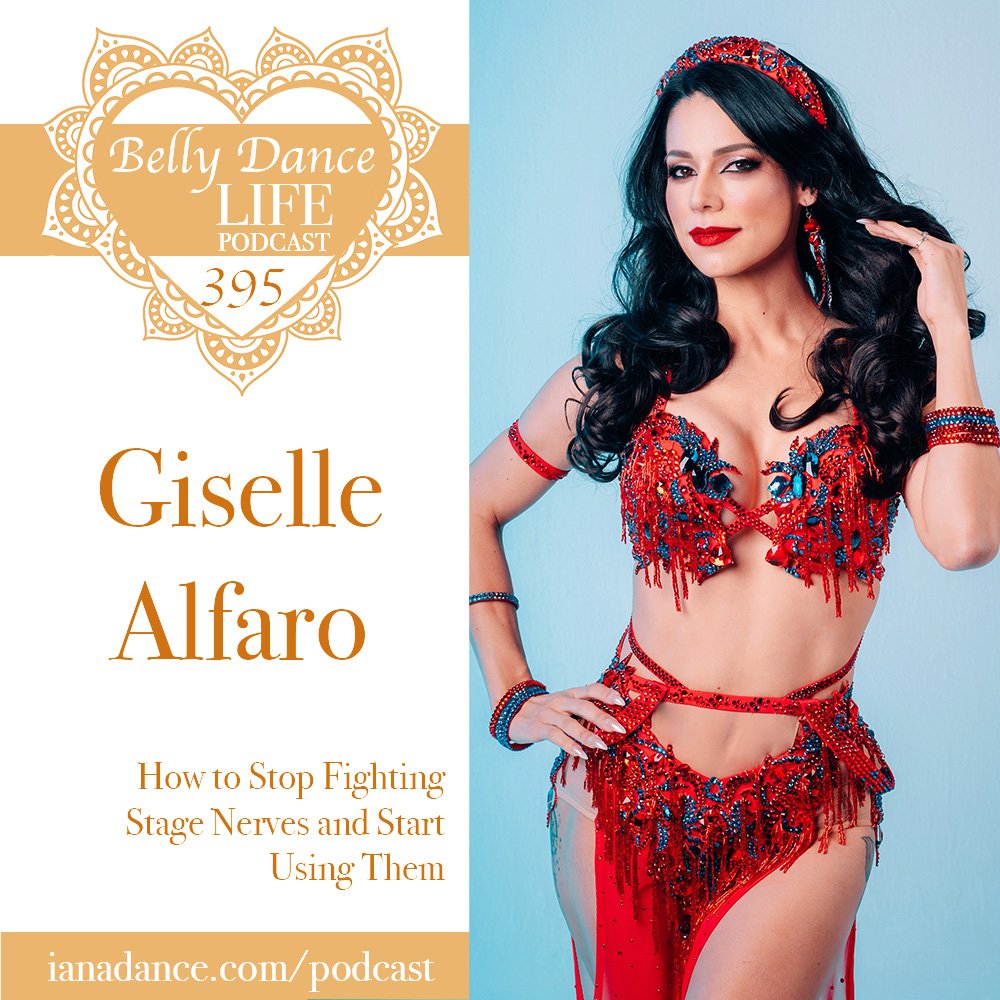
Ep 395. Giselle Alfaro: How to Stop Fighting Stage Nerves and Start Using Them

Giselle Alfaro, originally from El Salvador, is a dance artist with more than 17 years of experience, specializing in Middle Eastern dance. She has performed at international festivals including Oriental Marathon Festival in France, Bellydance Convention in Mexico, and Sands of Time in Greece. From 2017 to 2019, Giselle toured as a featured dancer with BellyDance Evolution in its production Fantasm and later joined the creative team as assistant director for the season finale in Buenos Aires, Argentina. Alongside her artistic career, Giselle holds a B.S. in Finance and Economics and is deeply committed to community service. For the past three years, she has worked as a medical interpreter supporting the Hispanic community at Arkansas Children’s Hospital.

In this episode you will learn about:

  • How to train your brain to feel more comfortable before stepping onstage

  • How international opportunities often grow from relationships built years earlier

  • What years with Bellydance Evolution taught her about touring, collaboration, and professional dance life

  • How Giselle rebuilt her dancing after surgery through repetition and consistency

  • Is social media visibility really that important?

Read More
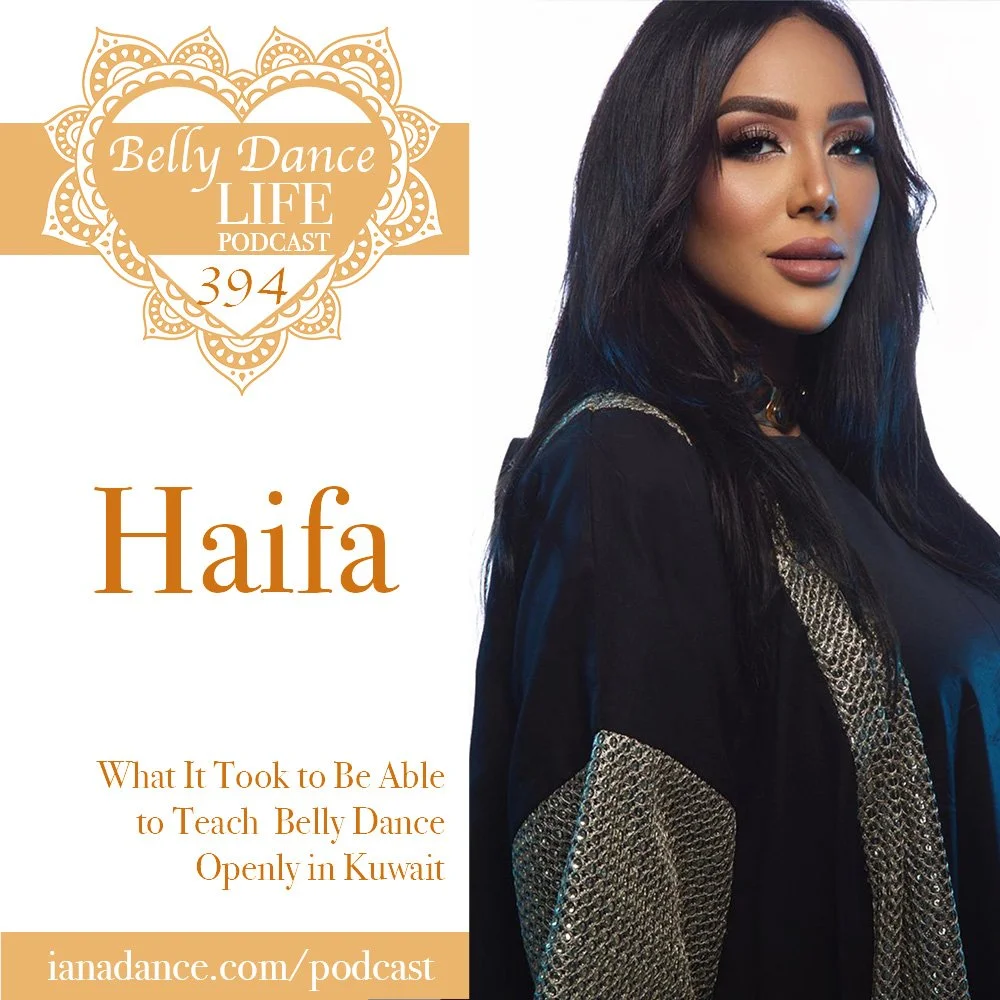
Ep 394. Haifa: What It Took to Be Able to Teach Belly Dance Openly in Kuwait

Haifa is a Kuwaiti dance artist, Certified BMD belly dance instructor, and founder of The Rhythm Academy for Performing Arts, with 27 years of experience in Oriental dance. Recognized as one of Kuwait’s pioneering dance educators, she was among the early women to openly present and teach Oriental dance as a legitimate art form and wellness practice despite experiencing significant social resistance shaped by cultural traditions and expectations. Rather than allowing these challenges to define her path, Haifa met them with patience, resilience, and unwavering determination, inspiring many women who later followed a similar path into dance training. 

Throughout her career, Haifa has worked to promote a respectful and culturally conscious understanding of dance while emphasizing its role in self-expression, body awareness, confidence, femininity, and emotional well-being. Through The Rhythm Academy, she has helped create greater space for women in Kuwait to experience and study dance, while also bringing international artists and master teachers to the local community. Her work reflects nearly three decades of commitment to expanding the possibilities for women to engage with dance as both an art and a meaningful way to reconnect with their bodies, embrace their femininity, express themselves freely, and develop greater confidence and presence.

In this episode you will learn about:

  • What makes Kuwaiti dance fundamentally different from Egyptian belly dance

  • How social media helped revive interest in preserving Kuwaiti dance

  • How Haifa became one of the first women to speak publicly about belly dance in Kuwaiti media, and how speaking about dance led to legal complaints and even threats of jail

  • Why women in her classes often come for femininity and self-acceptance more than technique

  • How she learned to market belly dance in a way that speaks to a conservative cultural environment

Read More
Iana Komarnytska2026-2Comment
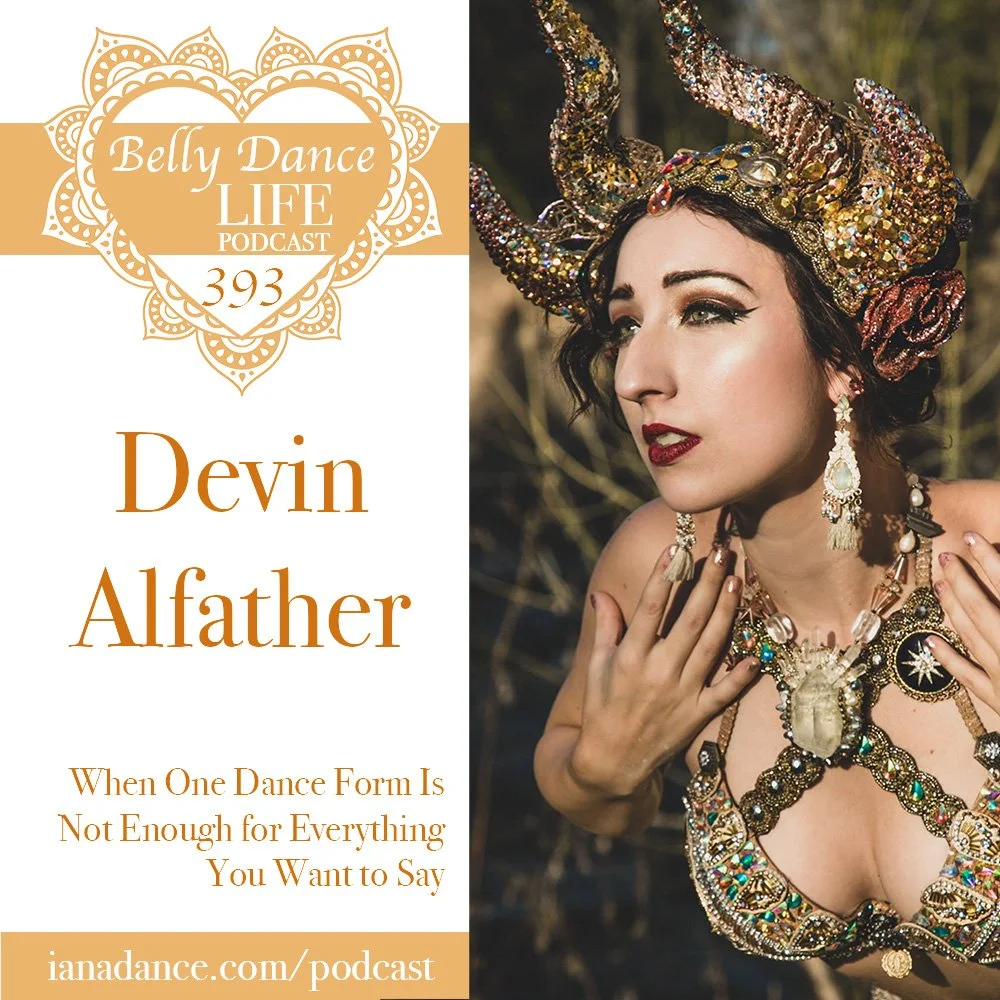
Ep 393. Devin Alfather: When One Dance Form Is Not Enough for Everything You Want to Say

Devin Alfather is a multidisciplinary dancer and entertainer specializing in theatrical Fusion Bellydance, Egyptian Raqs Sharqi, MENAHT and world fusion dances, as well as burlesque, circus, fire performance, and other dance forms. A multi-award-winning performer and instructor, she is dedicated to both technical development and deeper understanding of the cultural sources behind the forms she studies. Her performances often combine belly dance with theatrical storytelling, props, fire, balancing work, veil, zills, Isis wings, and other visual elements, allowing her to create highly distinctive experiences for a wide range of events. Alongside performing across Texas and beyond, Devin teaches workshops for detail-oriented dancers and continues to study source materials and artists while developing her own multidisciplinary approach to movement and performance.

In this episode you will learn about:

  • How belly dance, circus, burlesque, and theatrical storytelling can coexist in one career

  • Why diversifying your performance skills can create more professional opportunities

  • How storytelling influences everything from movement to costume design

  • What drag and burlesque taught Devin about the incredible power of stillness

  • Why complex layering requires more relaxation, not more tension

Read More
Iana Komarnytska2026-2Comment
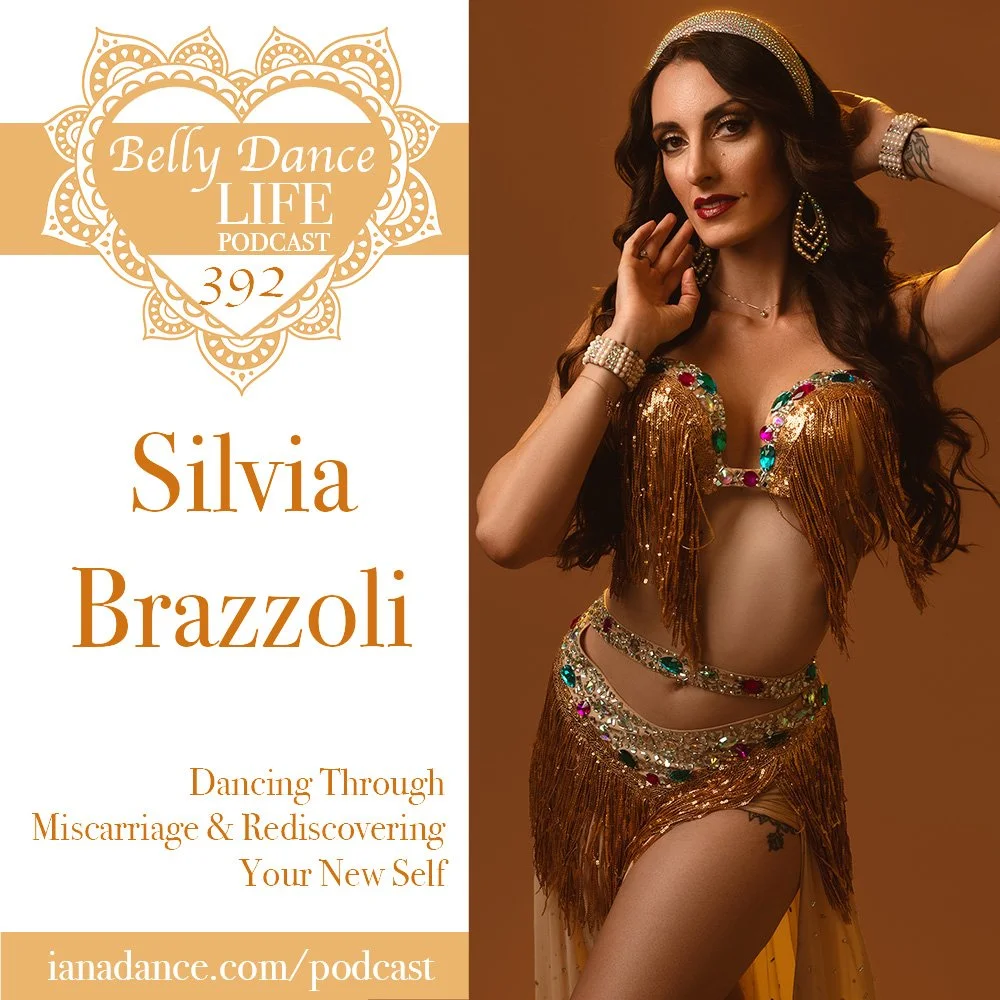
Ep 392. Silvia Brazzoli: Dancing Through Miscarriage and Rediscovering Your New Self

Silvia Brazzoli is an international belly dance artist, instructor, artistic director, yoga teacher, and visual artist based in Italy. She began studying oriental dance at the age of 18 and has since performed and taught across Europe, Asia, Africa, and the Americas. Known for her elegant, feminine style and empowering approach to teaching, Silvia continues to explore oriental dance and other movement traditions as part of her ongoing artistic development. In Italy, she runs her own school and directs the Silvia Raqs Group, while also organizing events and retreats. She has received numerous international competition titles and has performed with world-renowned companies including Jillina Carlano’s Bellydance Evolution and Manca Pavli’s Amaya Dance Company. Her work brings together dance, yoga, musicality, body awareness, creativity, and a strong belief in the lifelong evolution of the dancer.

In this episode you will learn about:

  • How grief completely reshaped Silvia’s relationship with dance

  • What it feels like to fall out of love with dance and find your way back

  • Why talking openly about miscarriage matters in a women-dominated dance community

  • Why studying Arabic transformed the way she hears and interprets music

  • What local gigs teach you that festival stages never will

Read More
Iana Komarnytska2026-2Comment
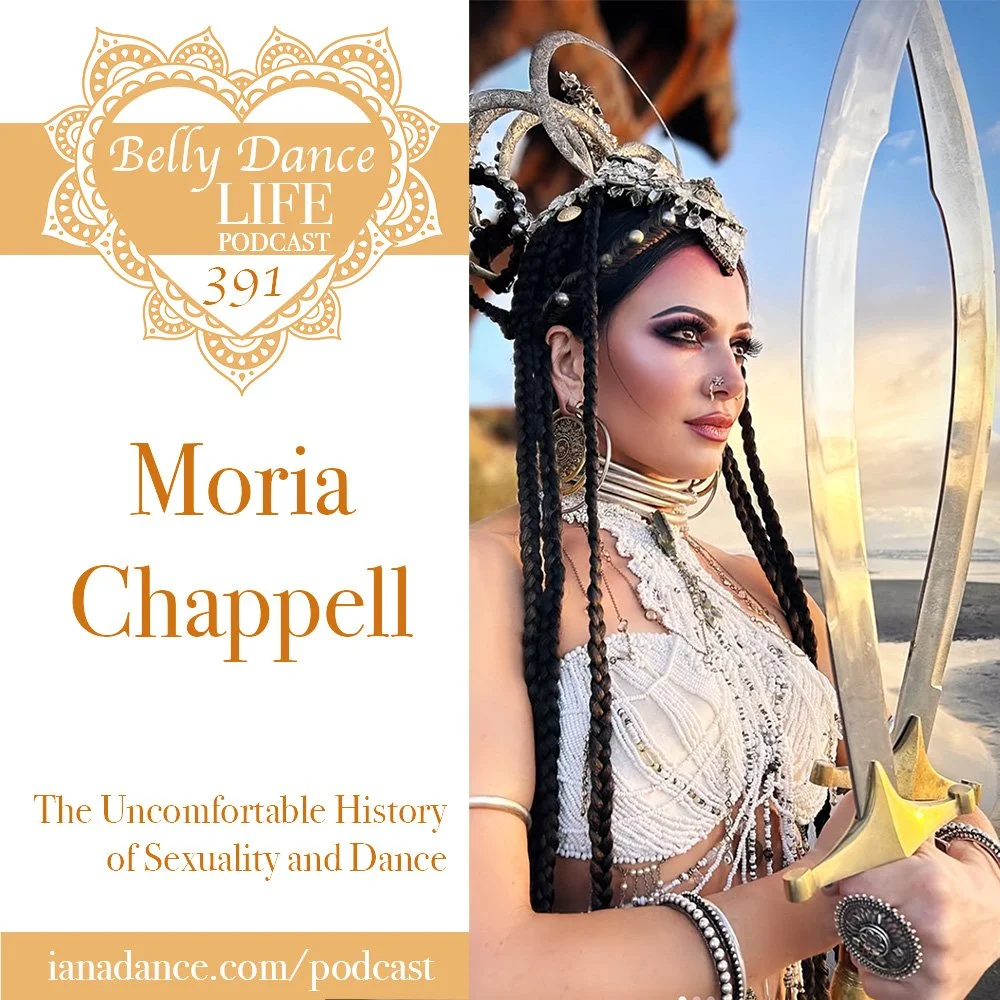
Ep 391. Moria Chappell: The Uncomfortable History of Sexuality and Dance

Moria Chappell is an internationally renowned performance artist, dance instructor, researcher, artistic director, and costume designer specializing in Fusion and Experimental Belly Dance, Temple Dance, and Indian Odissi Classical Dance. Over more than two decades, she has performed, taught, and researched ancient dance traditions in over 50 countries, exploring connections between movement, ritual, mythology, and ancient trade routes. A principal dancer and later Artistic Director of the Bellydance Superstars from 2005–2015, Moria is known for her archetypal performance style and Muscular Belly Dance Technique, emphasizing precision, isolation, and individual expression. She is also a principal dancer, teacher, and Assistant Director of the Urvasi Dance Ensemble, studying the Mahari tradition of Odissi under Dr. Ratna Roy. Her work brings together movement research, theatrical production, and a lifelong fascination with the ancient roots of dance.

In this episode you will learn about:

  • Why Moria believes ancient dances were connected through trade, migration, and shared ritual practices

  • How ancient societies used dance for far more than entertainment

  • Why sexuality, fertility, spirituality, and dance became so deeply intertwined

  • How historical associations with sexuality continue to shape stigma around belly dance

  • How a severe spinal injury completely changed her relationship with her body and teaching

Read More
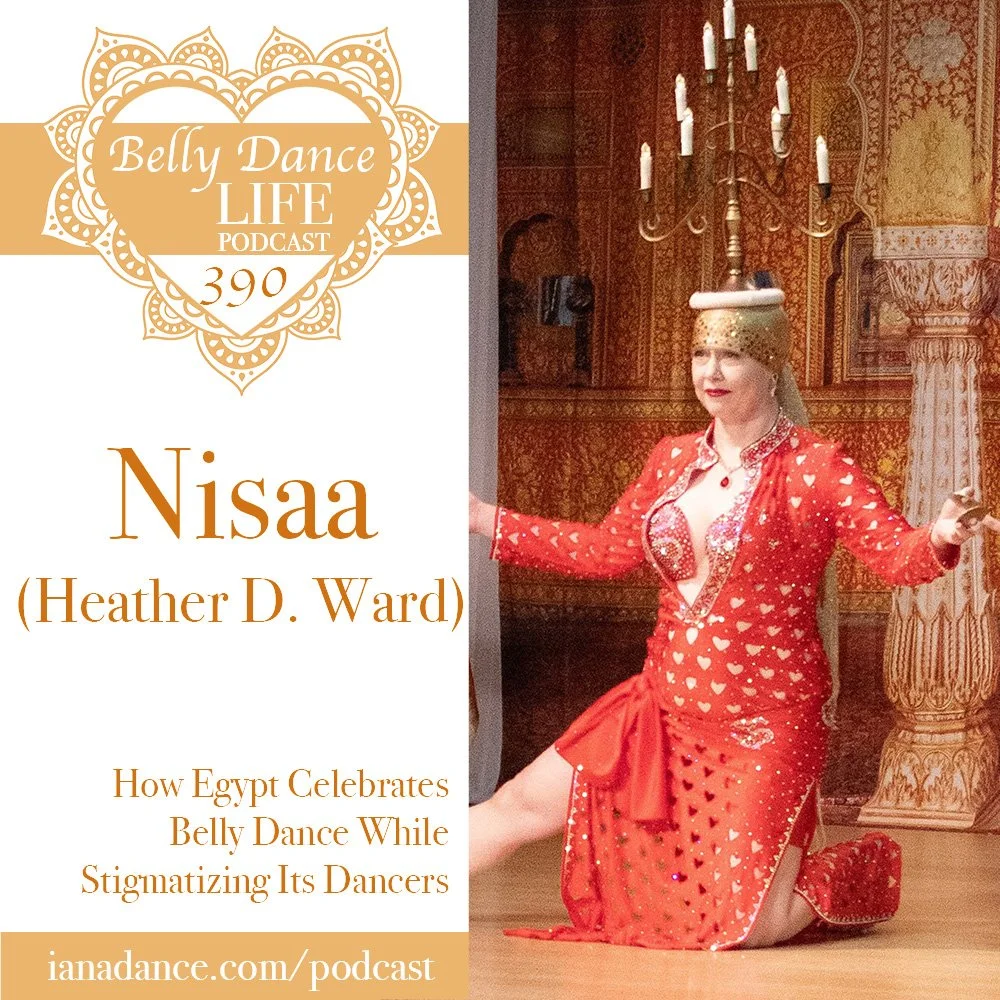
Ep 390. Nisaa (Heather D. Ward): How Egypt Celebrates Belly Dance While Stigmatizing Its Dancers

Nisaa (Heather D. Ward) is an instructor, performer, and researcher of Egyptian dance based in St. Louis, Missouri. Specializing in Egyptian raqs sharqi as well as baladi, awalim, ghawazi, and other Egyptian folk and traditional dances, her work focuses on understanding dance within its broader sociocultural and historical context. With academic degrees in anthropology and history, Nisaa has studied with internationally renowned artists as well as Egyptian traditional entertainers and has been teaching Egyptian dance since 2003. Her research into the history of Egyptian dance and its professional practitioners led to the publication of Egyptian Belly Dance in Transition: The Raqs Sharqi Revolution, 1890–1930 and her latest book, Raqs in the City: The Belly Dance Landscape of Cairo. Through her teaching, performance, and research, Nisaa works to deepen understanding of Egyptian dance as both a living art form and a reflection of the history and culture that shaped it.

In this episode you will learn about:

  • What most dancers got wrong about Egypt’s Delta Ghawazi

  • Why traditional styles deserve the same depth of study as Raqs Sharqi

  • What the disappearance of Muhammad Ali Street changed in Egypt’s dance industry

  • How class and gentrification influence where Egyptian dance is presented today

  • Why professional dancers in Egypt still carry a powerful social stigma & how outsiders can misjudge Egyptian dancers without understanding their reality

Read More
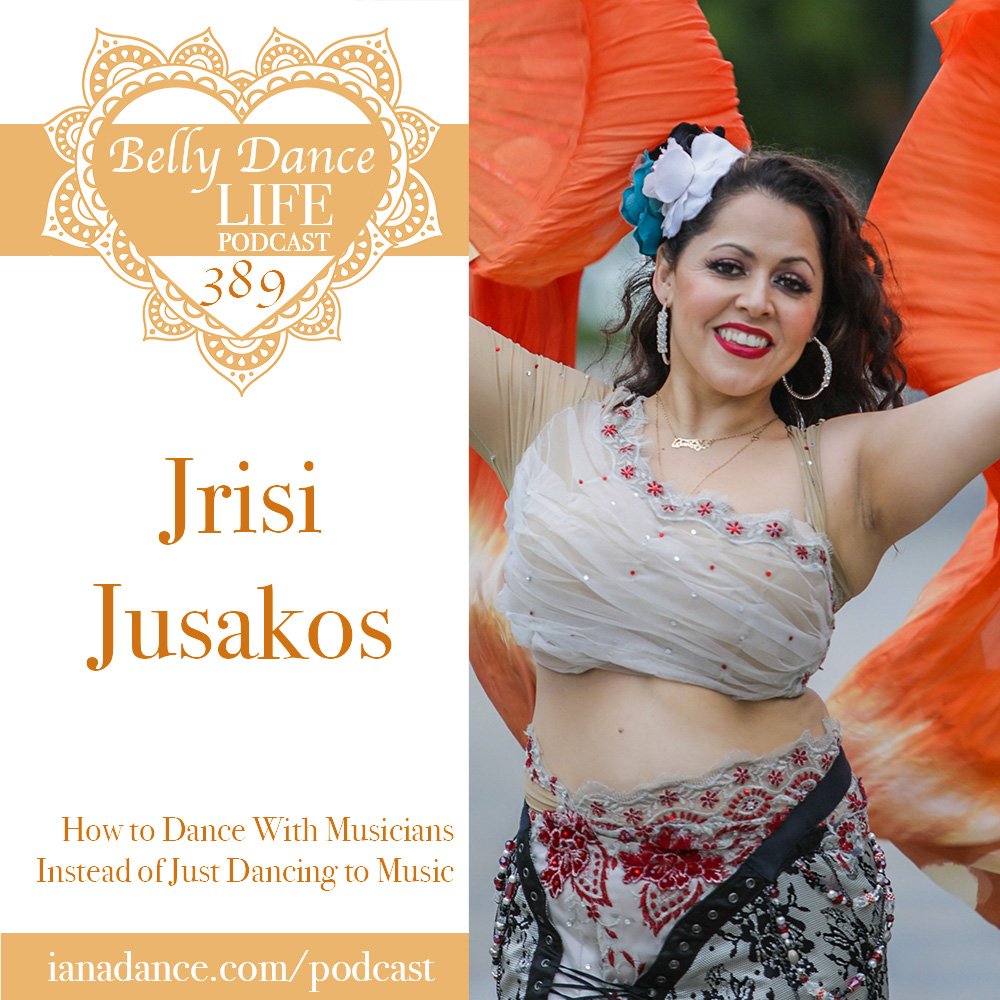
Ep 389. Jrisi Jusakos: How to Dance With Musicians Instead of Just Dancing to Music

Jrisi Jusakos is an Australian dancer, choreographer, educator, and producer with more than 35 years of experience in dance. Born in Chile to a Greek family and raised in Australia, she first connected with Arabic music and dance through Sydney’s Lebanese community before beginning her formal belly dance training as a teenager. She holds a Bachelor of Arts in Dance with a major in Contemporary Choreography and has extensive training in Raqs Sharqi, ballet, jazz, contemporary, flamenco, and Persian dance. Her career has included professional performance in Sydney’s Arabic live music scene, international study across Egypt, Lebanon, Germany, and New York, and the founding of the Hathor Persian Dance Ensemble. Today, her work centers on musicality, improvisation, artistic individuality, and the relationship between dancer and live musician, while she also creates accessible movement programs for seniors, mixed-ability participants, and culturally diverse communities.

In this episode you will learn about:

  • What Sydney’s Arabic nightlife looked like when full live bands were everywhere

  • Why dancing to live music feels completely different from recorded tracks

  • What to do with stage anxiety before a live performance

  • How to practice improvisation before you ever step onstage

  • How grief, life changes, and personal experiences inevitably enter our dancing

Read More
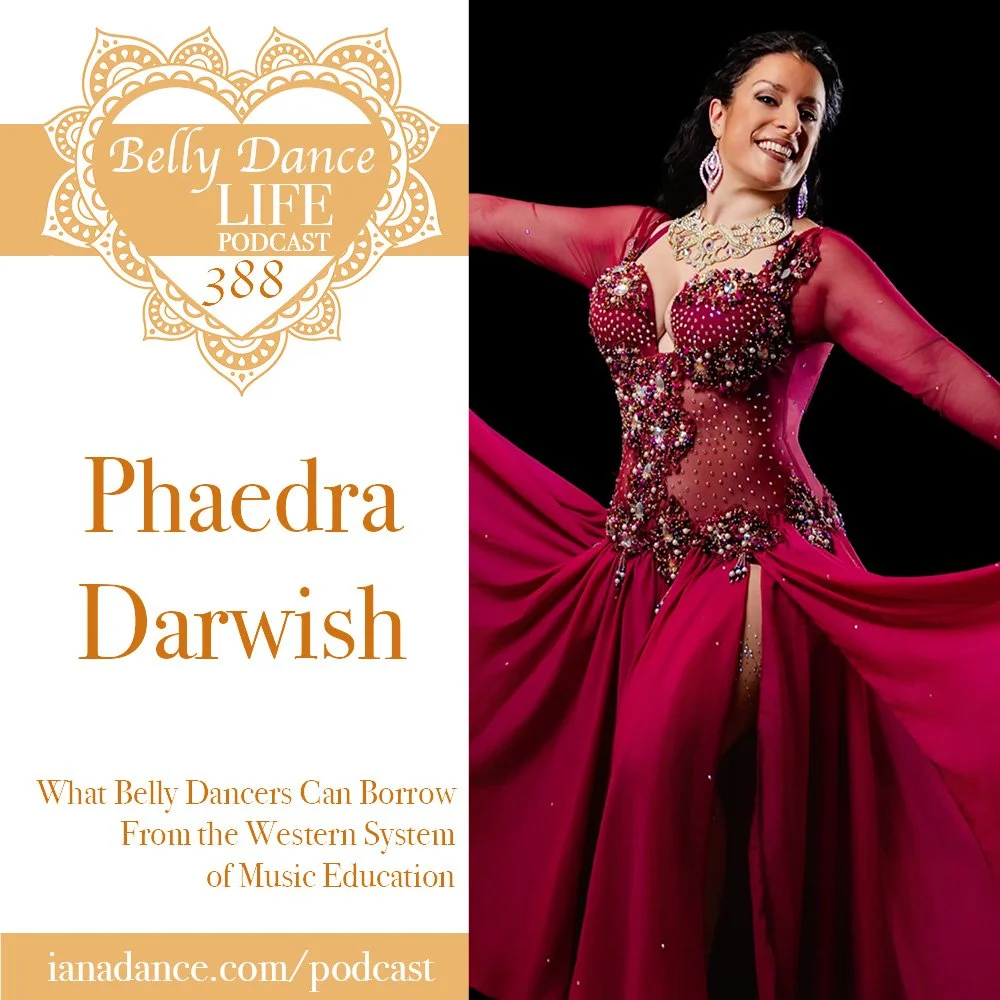
Ep 388. Phaedra Darwish: What Belly Dancers Can Borrow From the Western System of Music Education

Phaedra Darwish is a Chicago-based dancer, musician, instructor, and cultural advocate with a background in instrumental and vocal music and musical theatre. Inspired by Arabic dance and music and their connection to her own heritage, she has spent more than 14 years performing and teaching throughout Chicago and across the United States, while also participating in cultural events, community fundraisers, and dance festivals as both a dancer and musician. Her approach to Oriental dance goes beyond movement, incorporating music, regional traditions, and cultural context. Through her teaching and professional performances, Phaedra is dedicated to increasing awareness, appreciation, and understanding of Middle Eastern dance and sharing the richness of her cultural heritage with wider audiences.

In this episode you will learn about:

  • The fact that many dancers were never actually taught how to practice

  • Why private lessons can accelerate a dancer’s individual growth

  • How to make choreography look spontaneous instead of rehearsed

  • The role of breath, tension, and release in bringing movement to life

  • How “soft focus” can help group dancers move as one unit

Read More
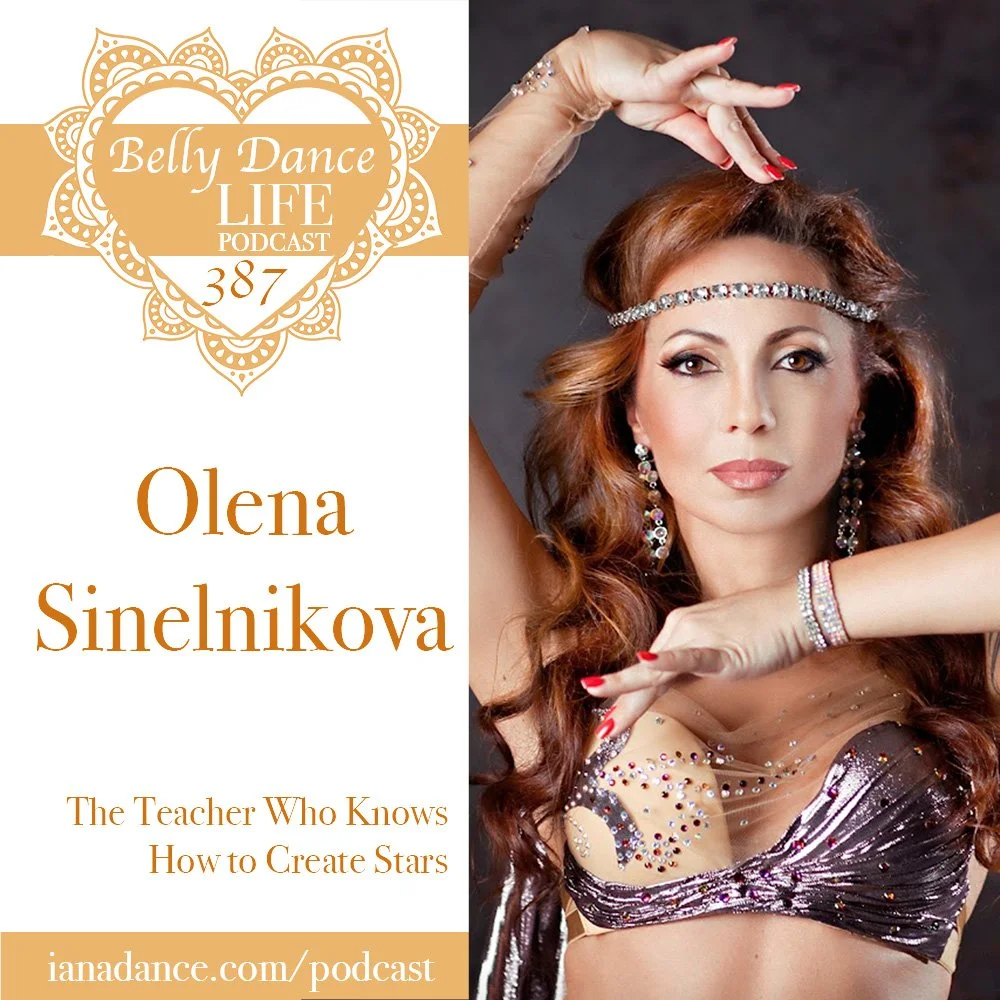
Ep 387. Olena Sinelnikova: The Teacher Who Knows How to Create Stars

Olena Sinelnikova is an internationally acclaimed belly dancer, choreographer, and instructor from Ukraine. She is the founder and director of the Isfahan Dance School and the organizer of the Isfahan Bellydance Festival. An international judge and mentor to numerous Ukrainian champions and stage stars, Olena is recognized for her dedication to developing the next generation of dancers. She is also a winner of multiple national and international competitions, including first place at the Nile Group Festival in Cairo in both the Folklore Duet (2011) and Solo (2012) categories, and continues to teach and perform at festivals around the world.

In this episode you will learn about:

  • The qualities every student should look for in a great teacher

  • Why learning to be a student is just as important as learning to dance

  • The importance of knowing when it's time to let a student grow independently

  • Why starting belly dance at 30 is not too late to succeed

  • How the war in Ukraine changed life for dancers and dance schools

Read More
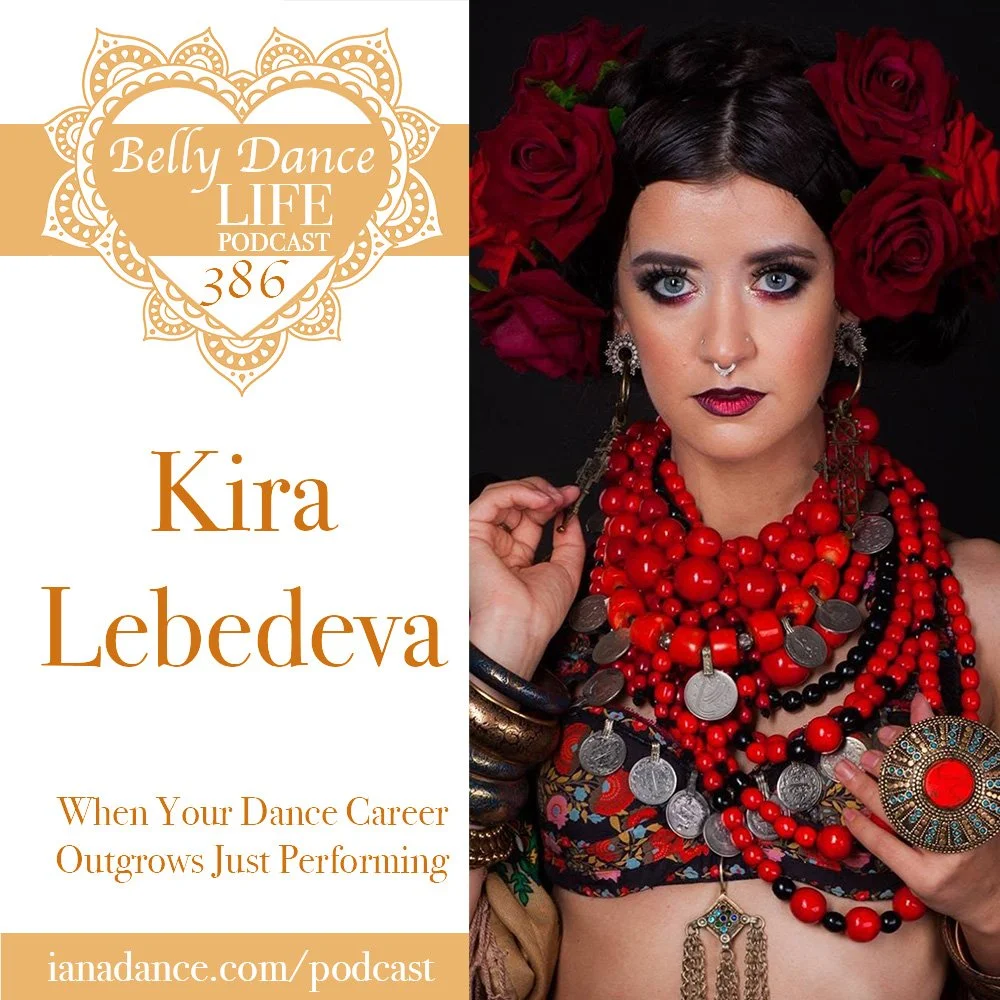
Ep 386. Kira Lebedeva: When Your Dance Career Outgrows Just Performing

Kira Lebedeva is a Tribal Fusion belly dancer, yoga instructor, and mentor from Lviv, Ukraine, with over 16 years of experience in dance and more than a decade of teaching. Known for her exceptional body control, fluid musicality, and expressive storytelling, she has become one of the leading artists in the international Tribal Fusion community. Her work is distinguished by a seamless fusion of technical precision and emotional expression, inviting audiences to experience dance as both an art form and a deeply personal story. In addition to her artistic career, in March 2022 Kira transformed her dance studio into a shelter for displaced Ukrainians following the outbreak of the full-scale war. Through both her performances and teaching, she continues to inspire dancers around the world with her unique blend of technical precision, creativity, and emotional depth.

In this episode you will learn about:

  • What coaching can offer that self-discipline sometimes cannot

  • The mindset that helped Kira continue creating through war in Ukraine

  • How limiting beliefs about money hold dancers back

  • Why every dancer needs to understand WHY they dance

  • Funny misconceptions belly dancers and fusion dancers have about each other

Read More
Ep 385. Maris: What a Real Working Day Looks Like for a Professional Dancer in Cairo

Maris is an Estonian belly dancer, instructor, performer, and recording artist who has built an international career across Europe and the Middle East. After beginning her dance journey in 2005 and teaching from 2012, she launched her professional career in Egypt with daily performances in Sharm El Sheikh before moving on to Dubai and eventually settling in Cairo, where she has become a sought-after performer at prestigious weddings, events, discos, and Nile cruise shows. She has also taught and performed in numerous countries worldwide and is widely recognized in the Arab world for her appearance in Mostafa Shawki's 2019 hit music video Maltashet El 2loub. In addition to performing, Maris regularly teaches workshops internationally and, in 2024, released an album of original music created specifically for belly dance performances.

In this episode you will learn about:

  • What it really takes to build a sustainable performing career in Egypt

  • How media exposure can completely change a dancer's career in Cairo

  • The truth behind common myths and gossip about Cairo dancers

  • The changing trends in Cairo costumes, music, and audience expectations

  • Practical advice for dancers dreaming of building a career in Cairo

Read More