Ep 230. How to Memorize Any Choreography Faster
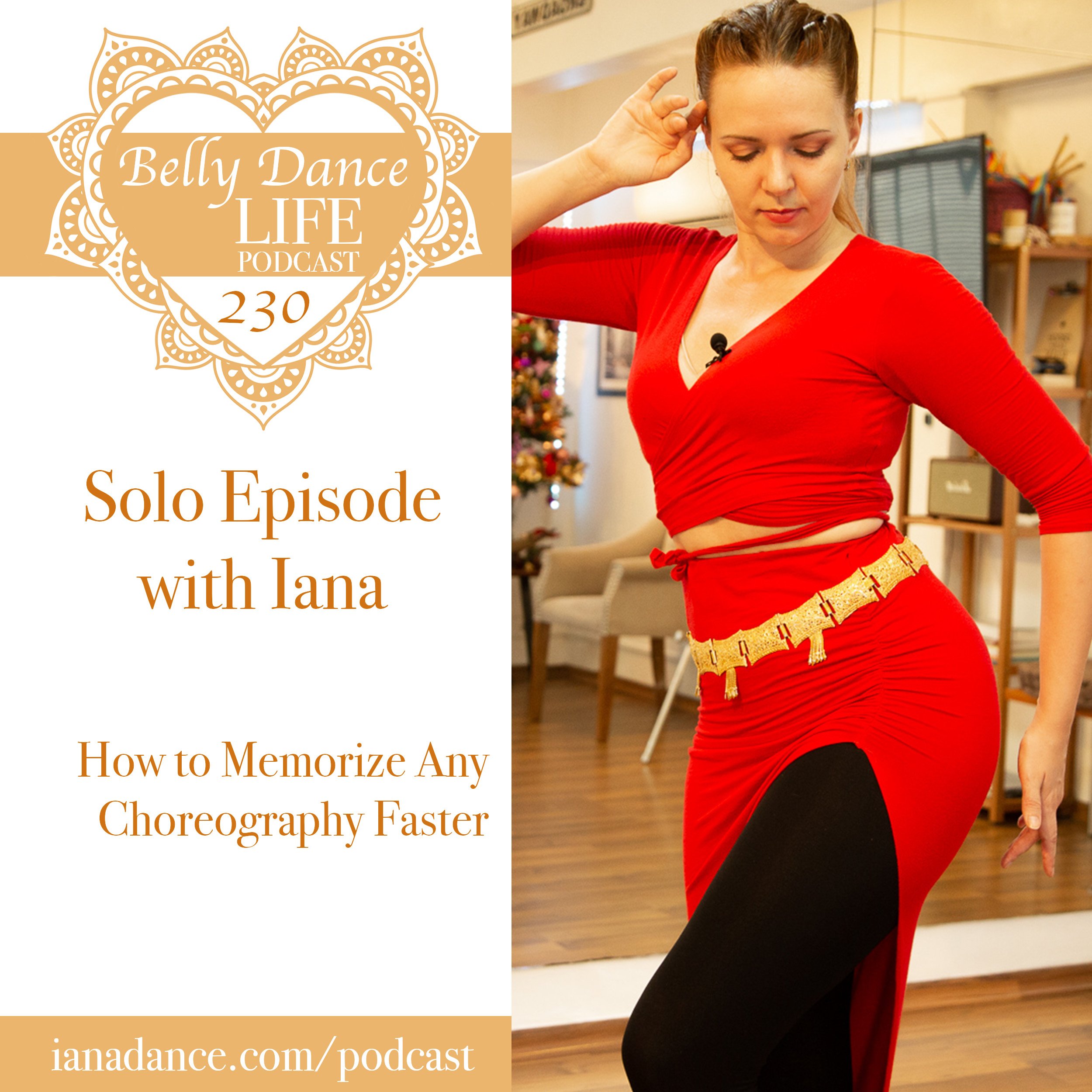
This is a new solo episode with Iana!
Sharing 10 practical tips that I use to memorize choreographies faster. These tips will be especially useful during workshop settings, when you need to learn a dance piece within very limited amount of time.
Show Notes to this episode:
Follow Iana on Instagram, FB, and Youtube . Check out her online classes and intensives at the Iana Dance Club.
Check out Stackable Drills for your daily practice at www.stackabledrills.com.
Details and training materials for the BDE castings are available at www.JoinBDE.com
Find information on how you can support Ukraine and Ukrainian belly dancers HERE.
Podcast: www.ianadance.com/podcast

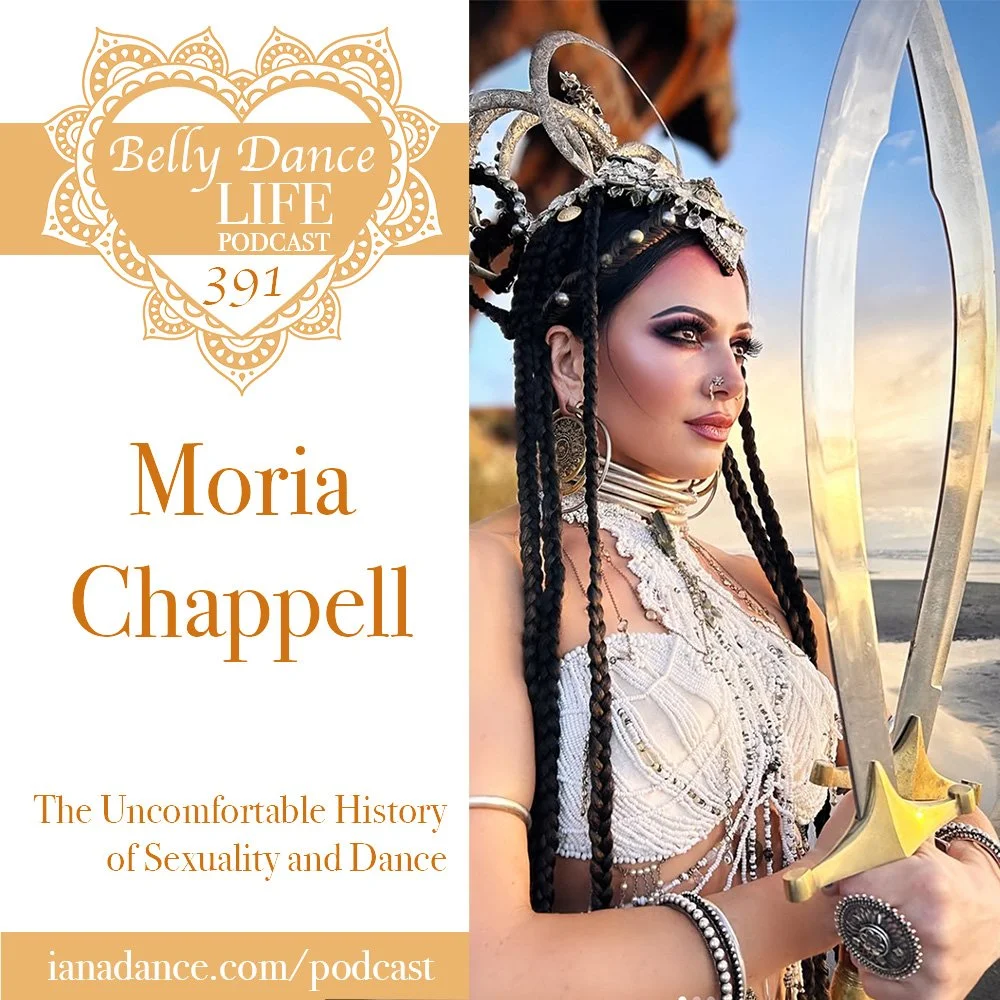
Moria Chappell is an internationally renowned performance artist, dance instructor, researcher, artistic director, and costume designer specializing in Fusion and Experimental Belly Dance, Temple Dance, and Indian Odissi Classical Dance. Over more than two decades, she has performed, taught, and researched ancient dance traditions in over 50 countries, exploring connections between movement, ritual, mythology, and ancient trade routes. A principal dancer and later Artistic Director of the Bellydance Superstars from 2005–2015, Moria is known for her archetypal performance style and Muscular Belly Dance Technique, emphasizing precision, isolation, and individual expression. She is also a principal dancer, teacher, and Assistant Director of the Urvasi Dance Ensemble, studying the Mahari tradition of Odissi under Dr. Ratna Roy. Her work brings together movement research, theatrical production, and a lifelong fascination with the ancient roots of dance.
In this episode you will learn about:
Why Moria believes ancient dances were connected through trade, migration, and shared ritual practices
How ancient societies used dance for far more than entertainment
Why sexuality, fertility, spirituality, and dance became so deeply intertwined
How historical associations with sexuality continue to shape stigma around belly dance
How a severe spinal injury completely changed her relationship with her body and teaching
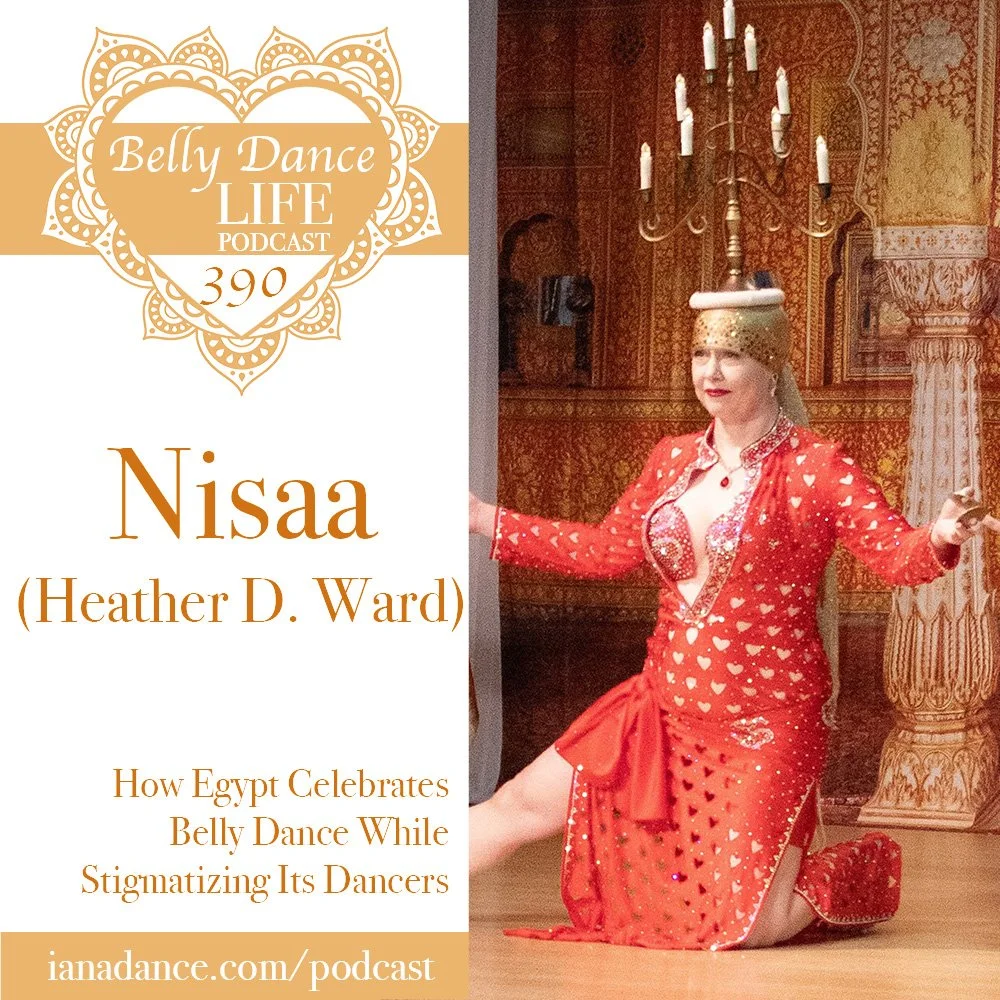
Nisaa (Heather D. Ward) is an instructor, performer, and researcher of Egyptian dance based in St. Louis, Missouri. Specializing in Egyptian raqs sharqi as well as baladi, awalim, ghawazi, and other Egyptian folk and traditional dances, her work focuses on understanding dance within its broader sociocultural and historical context. With academic degrees in anthropology and history, Nisaa has studied with internationally renowned artists as well as Egyptian traditional entertainers and has been teaching Egyptian dance since 2003. Her research into the history of Egyptian dance and its professional practitioners led to the publication of Egyptian Belly Dance in Transition: The Raqs Sharqi Revolution, 1890–1930 and her latest book, Raqs in the City: The Belly Dance Landscape of Cairo. Through her teaching, performance, and research, Nisaa works to deepen understanding of Egyptian dance as both a living art form and a reflection of the history and culture that shaped it.
In this episode you will learn about:
What most dancers got wrong about Egypt’s Delta Ghawazi
Why traditional styles deserve the same depth of study as Raqs Sharqi
What the disappearance of Muhammad Ali Street changed in Egypt’s dance industry
How class and gentrification influence where Egyptian dance is presented today
Why professional dancers in Egypt still carry a powerful social stigma & how outsiders can misjudge Egyptian dancers without understanding their reality
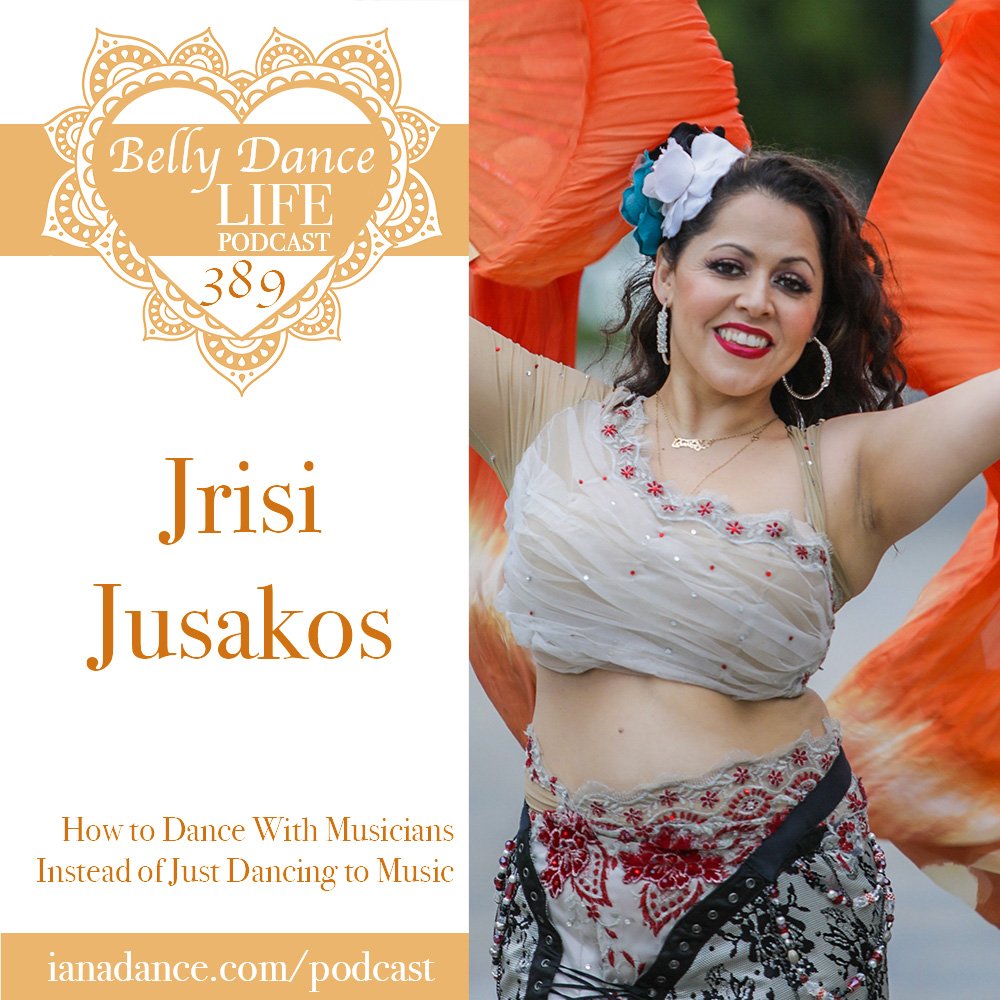
Jrisi Jusakos is an Australian dancer, choreographer, educator, and producer with more than 35 years of experience in dance. Born in Chile to a Greek family and raised in Australia, she first connected with Arabic music and dance through Sydney’s Lebanese community before beginning her formal belly dance training as a teenager. She holds a Bachelor of Arts in Dance with a major in Contemporary Choreography and has extensive training in Raqs Sharqi, ballet, jazz, contemporary, flamenco, and Persian dance. Her career has included professional performance in Sydney’s Arabic live music scene, international study across Egypt, Lebanon, Germany, and New York, and the founding of the Hathor Persian Dance Ensemble. Today, her work centers on musicality, improvisation, artistic individuality, and the relationship between dancer and live musician, while she also creates accessible movement programs for seniors, mixed-ability participants, and culturally diverse communities.
In this episode you will learn about:
What Sydney’s Arabic nightlife looked like when full live bands were everywhere
Why dancing to live music feels completely different from recorded tracks
What to do with stage anxiety before a live performance
How to practice improvisation before you ever step onstage
How grief, life changes, and personal experiences inevitably enter our dancing
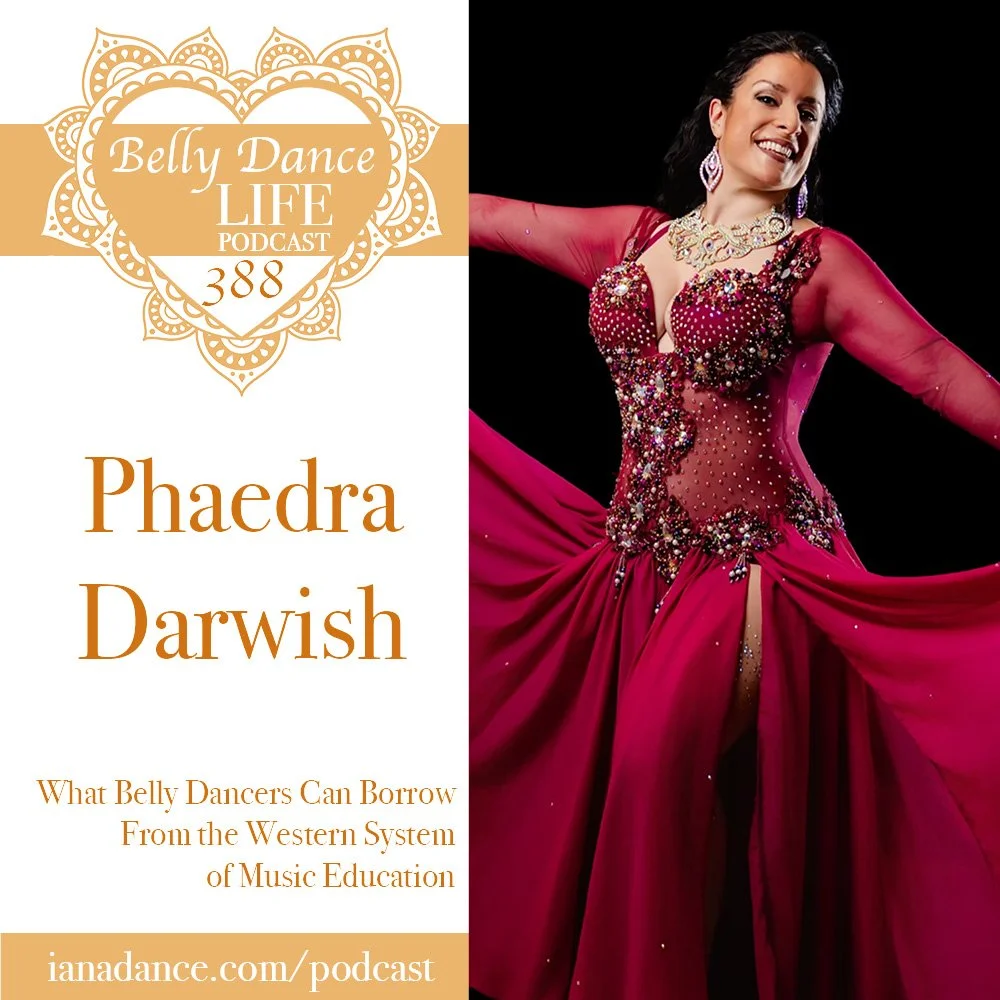
Phaedra Darwish is a Chicago-based dancer, musician, instructor, and cultural advocate with a background in instrumental and vocal music and musical theatre. Inspired by Arabic dance and music and their connection to her own heritage, she has spent more than 14 years performing and teaching throughout Chicago and across the United States, while also participating in cultural events, community fundraisers, and dance festivals as both a dancer and musician. Her approach to Oriental dance goes beyond movement, incorporating music, regional traditions, and cultural context. Through her teaching and professional performances, Phaedra is dedicated to increasing awareness, appreciation, and understanding of Middle Eastern dance and sharing the richness of her cultural heritage with wider audiences.
In this episode you will learn about:
The fact that many dancers were never actually taught how to practice
Why private lessons can accelerate a dancer’s individual growth
How to make choreography look spontaneous instead of rehearsed
The role of breath, tension, and release in bringing movement to life
How “soft focus” can help group dancers move as one unit
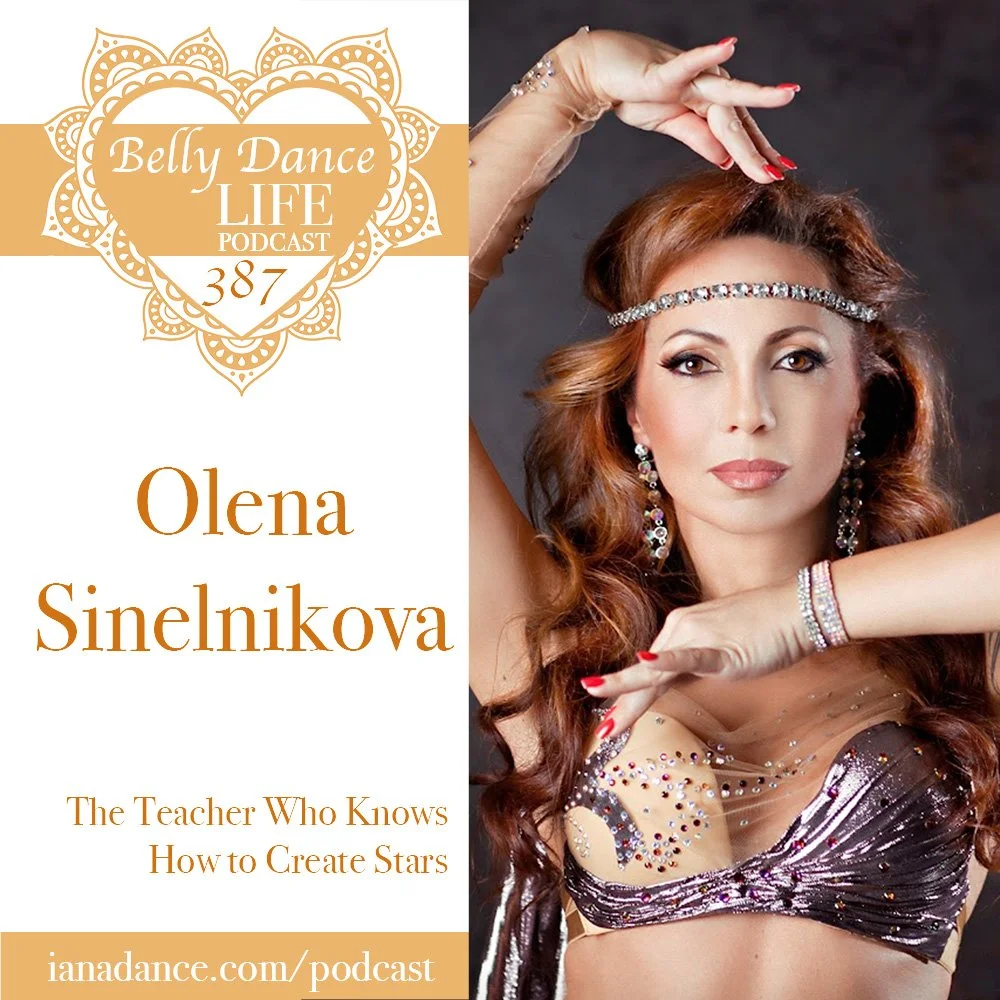
Olena Sinelnikova is an internationally acclaimed belly dancer, choreographer, and instructor from Ukraine. She is the founder and director of the Isfahan Dance School and the organizer of the Isfahan Bellydance Festival. An international judge and mentor to numerous Ukrainian champions and stage stars, Olena is recognized for her dedication to developing the next generation of dancers. She is also a winner of multiple national and international competitions, including first place at the Nile Group Festival in Cairo in both the Folklore Duet (2011) and Solo (2012) categories, and continues to teach and perform at festivals around the world.
In this episode you will learn about:
The qualities every student should look for in a great teacher
Why learning to be a student is just as important as learning to dance
The importance of knowing when it's time to let a student grow independently
Why starting belly dance at 30 is not too late to succeed
How the war in Ukraine changed life for dancers and dance schools
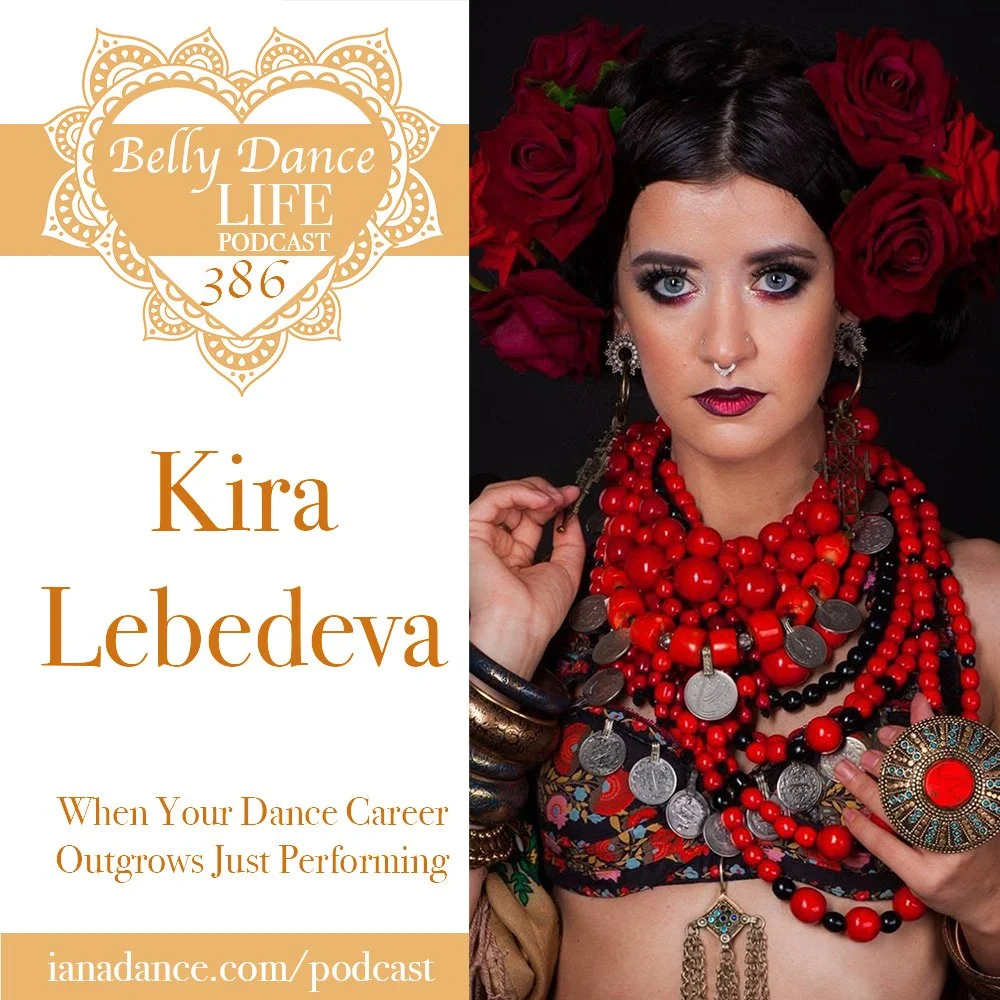
Kira Lebedeva is a Tribal Fusion belly dancer, yoga instructor, and mentor from Lviv, Ukraine, with over 16 years of experience in dance and more than a decade of teaching. Known for her exceptional body control, fluid musicality, and expressive storytelling, she has become one of the leading artists in the international Tribal Fusion community. Her work is distinguished by a seamless fusion of technical precision and emotional expression, inviting audiences to experience dance as both an art form and a deeply personal story. In addition to her artistic career, in March 2022 Kira transformed her dance studio into a shelter for displaced Ukrainians following the outbreak of the full-scale war. Through both her performances and teaching, she continues to inspire dancers around the world with her unique blend of technical precision, creativity, and emotional depth.
In this episode you will learn about:
What coaching can offer that self-discipline sometimes cannot
The mindset that helped Kira continue creating through war in Ukraine
How limiting beliefs about money hold dancers back
Why every dancer needs to understand WHY they dance
Funny misconceptions belly dancers and fusion dancers have about each other
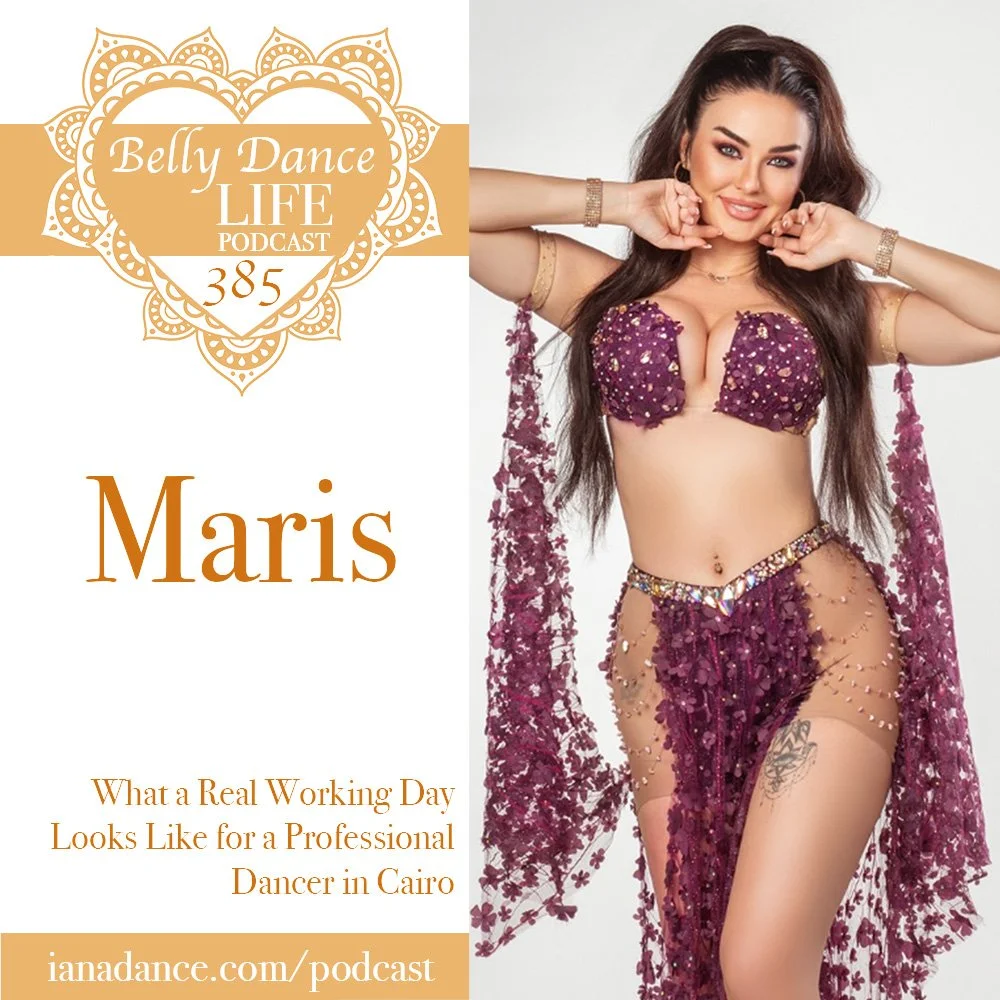
Maris is an Estonian belly dancer, instructor, performer, and recording artist who has built an international career across Europe and the Middle East. After beginning her dance journey in 2005 and teaching from 2012, she launched her professional career in Egypt with daily performances in Sharm El Sheikh before moving on to Dubai and eventually settling in Cairo, where she has become a sought-after performer at prestigious weddings, events, discos, and Nile cruise shows. She has also taught and performed in numerous countries worldwide and is widely recognized in the Arab world for her appearance in Mostafa Shawki's 2019 hit music video Maltashet El 2loub. In addition to performing, Maris regularly teaches workshops internationally and, in 2024, released an album of original music created specifically for belly dance performances.
In this episode you will learn about:
What it really takes to build a sustainable performing career in Egypt
How media exposure can completely change a dancer's career in Cairo
The truth behind common myths and gossip about Cairo dancers
The changing trends in Cairo costumes, music, and audience expectations
Practical advice for dancers dreaming of building a career in Cairo
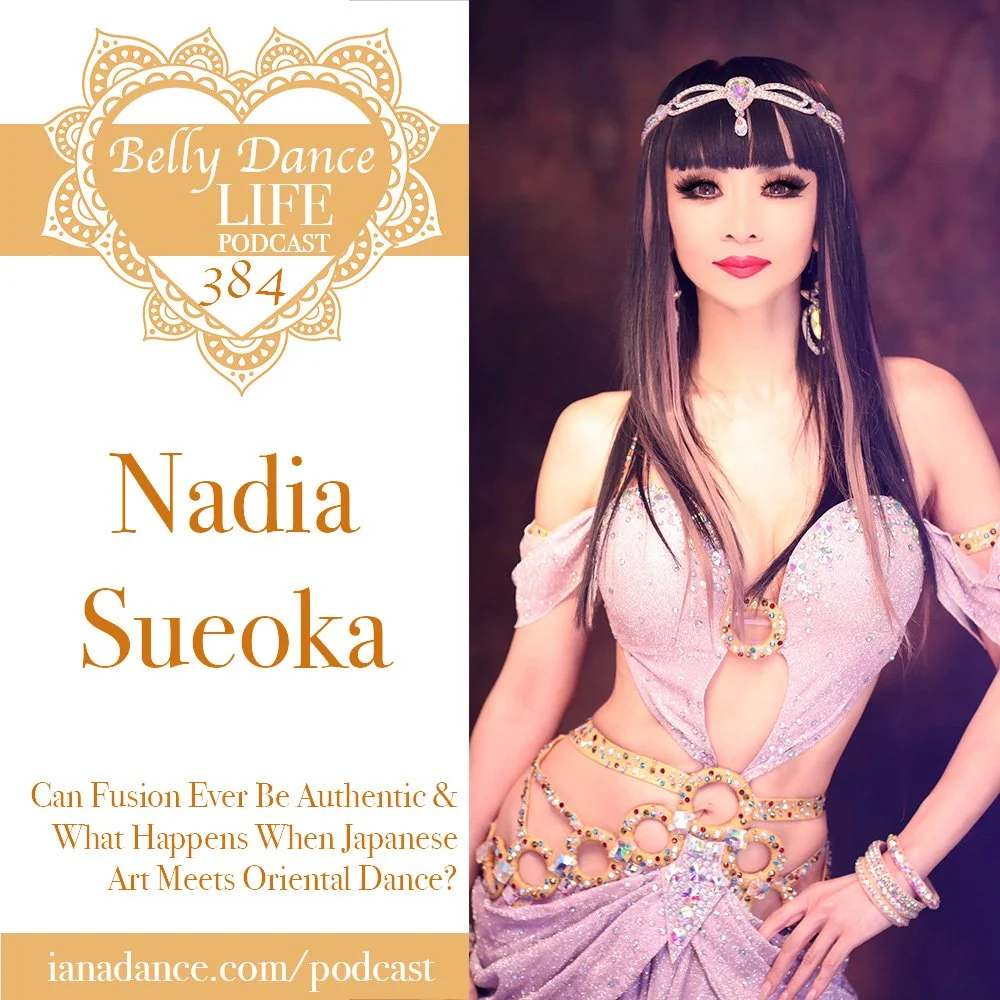
Nadia Sueoka is a Japanese belly dancer, choreographer, and instructor based in Singapore, with an international career spanning performances, teaching, and choreography around the world. Since beginning her professional career in 2005, she has trained extensively in Egypt and Turkey with world-renowned masters. Having traveled to more than 30 countries, she has developed a distinctive artistic style inspired by diverse cultures. An award-winning performer, Nadia is known for her powerful stage presence, exceptional musicality, and soulful improvisation. She has created over 100 choreographies in Oriental, Folklore, and Fusion styles. Her signature JAPANESE ORIENTAL FUSION series, which blends Middle Eastern dance with Japanese aesthetics, has earned international recognition for its originality and artistic vision. Nadia is the founder and artistic director of NADIA Oriental Dance Arts Singapore and NADIA ONLINE. She is regularly invited to perform, teach workshops, and serve as a judge at international festivals and competitions worldwide.
In this episode you will learn about:
How belly dance helped her transform from a shy Japanese girl into a confident international artist
What makes Egyptian, Turkish, and Japanese dance philosophies so different
The story behind creating her signature Japanese Oriental Fusion style & how to blend two cultures without losing authenticity or respect
Why competition culture is transforming belly dance in Asia
The surprising mindset differences between Asian and Western dancers
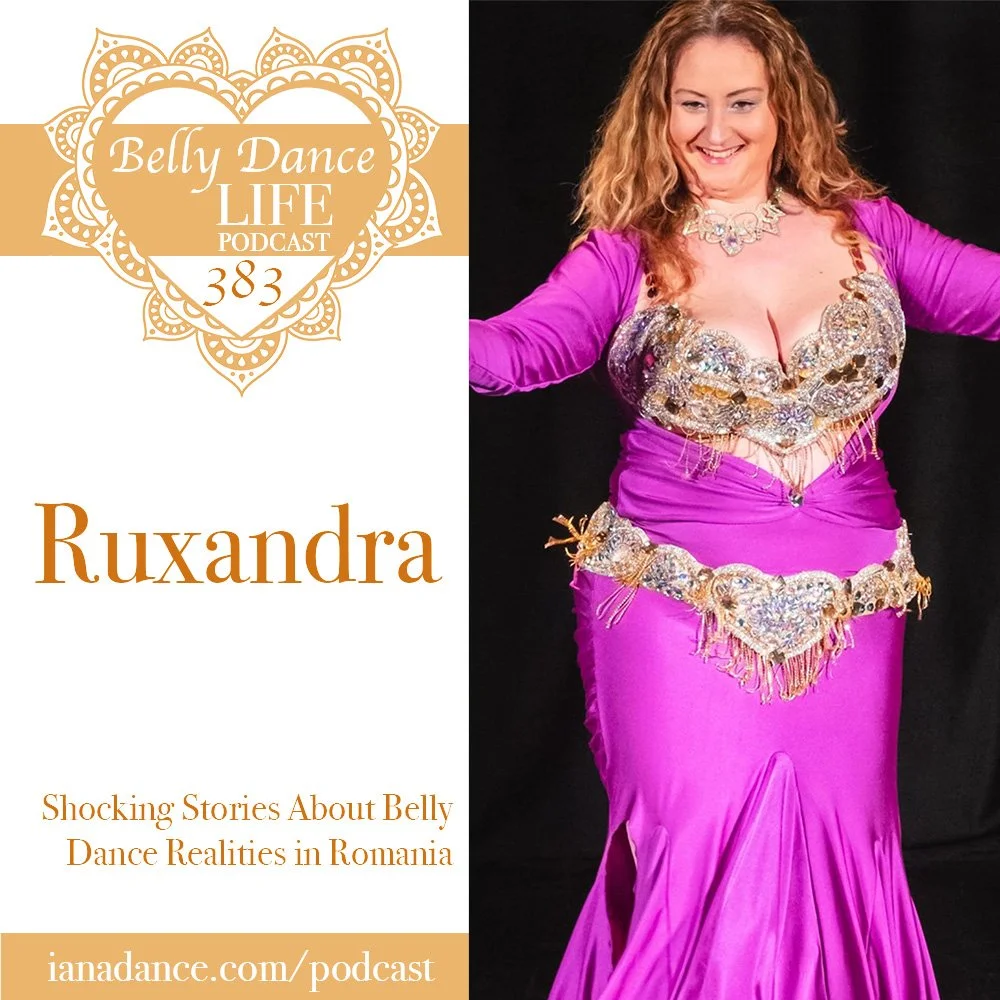
Ruxandra is a Romanian Oriental dance instructor, performer, choreographer, promoter, and storyteller. A graduate of the Floria Capsalli Choreography High School in Bucharest and the Performing Arts Department of Gheorghe Cristea University of Sciences and Arts, she has a strong foundation in ballet and has also studied contemporary, modern, folk, Latin, flamenco, African, and Oriental dance. After living for two years in Egypt and three years in Benin, Africa, Ruxandra came to believe that she did not choose Oriental dance—it chose her. For almost two decades, she has worked to challenge stereotypes surrounding belly dance in Romania, becoming the only teacher in Bucharest to establish dedicated Oriental dance classes for children and creating welcoming spaces where women of all ages can reconnect with their bodies, confidence, femininity, emotions, and joy.
In this episode you will learn about:
Why many women still feel ashamed to admit they take belly dance classes in Romania
The harassment and safety risks belly dancers face while performing
Why teaching belly dance to children remains deeply controversial in Romania
The ways movement can reconnect women with emotions held in the body
Why she created a women’s dabke group as an artistic voice of solidarity

Petite Jamilla is an internationally acclaimed belly dancer, choreographer, instructor, and performer who began her professional career at just 15 years old. Trained from childhood by her mother, folkloric dancer Jamilla Rasa, and further inspired by Polynesian dance, she has dedicated her life to bridging traditional folkloric roots with contemporary belly dance. Petite Jamilla toured internationally for nearly a decade with Bellydance Superstars, where she became renowned for her signature Double Veil performances, served as the company's spokesperson, and briefly held the role of Artistic Director. A multiple award-winning artist, accomplished choreographer, musician, and sought-after teacher, she continues to share her passion for dance through workshops, performances, and creative projects, inspiring dancers around the world with her distinctive artistry and lifelong commitment to the art form.
In this episode you will learn about:
How growing up with a belly dancing mother shaped one dancer's entire artistic journey
What it was like to spend nearly a decade touring the world with Bellydance Superstars
How a fascination with whirling transformed into a signature style of turns and veil work
The emotional transition from an international touring career to motherhood and family life
What it's like to teach belly dance to your own daughter—and let her discover her own voice
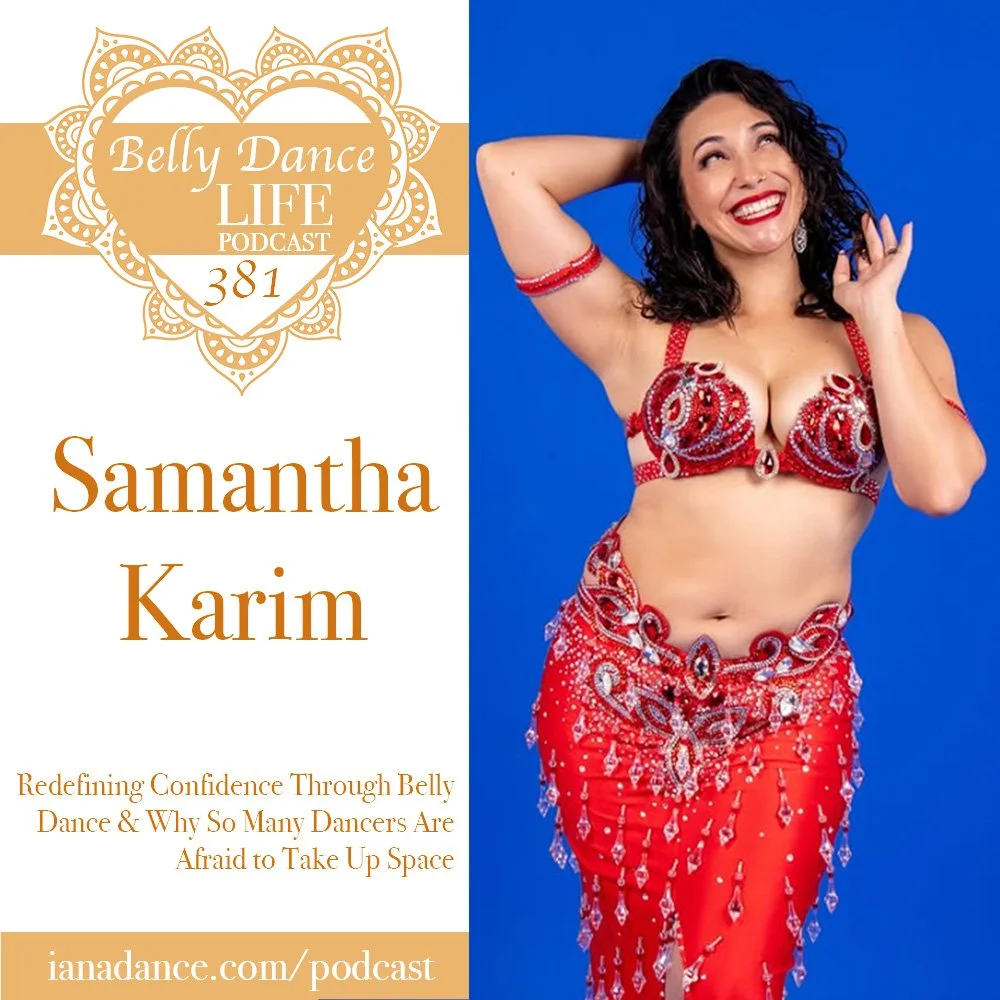
Samantha Karim is an award-winning belly dancer, speaker, coach, and educator dedicated to helping women build confidence, overcome perfectionism, and embrace authentic self-expression. A 2013 USA Belly Dance Queen Champion with more than 20 years of teaching and coaching experience, Samantha combines her extensive background in belly dance with life coaching to help women cultivate body confidence, resilience, and self-trust both on and off the stage. Specializing in supporting high-achieving and perfectionist women through her workshops, speaking engagements, and coaching, she shares practical tools for cultivating body confidence, resilience, and the courage to live unapologetically, inspiring thousands of women to step into their full potential.
In this episode you will learn about:
How an unexpected encounter with Palestinian and Jordanian roommates led to a lifelong passion for belly dance
Why confidence isn't built through dance alone—but through the choices you make while dancing
Practical strategies for overcoming frustration, self-doubt, and mental blocks in class
How perfectionism and people-pleasing quietly hold dancers back from reaching their potential
The mindset shift that helped transform a belly dance teacher into an award-winning coach and speaker
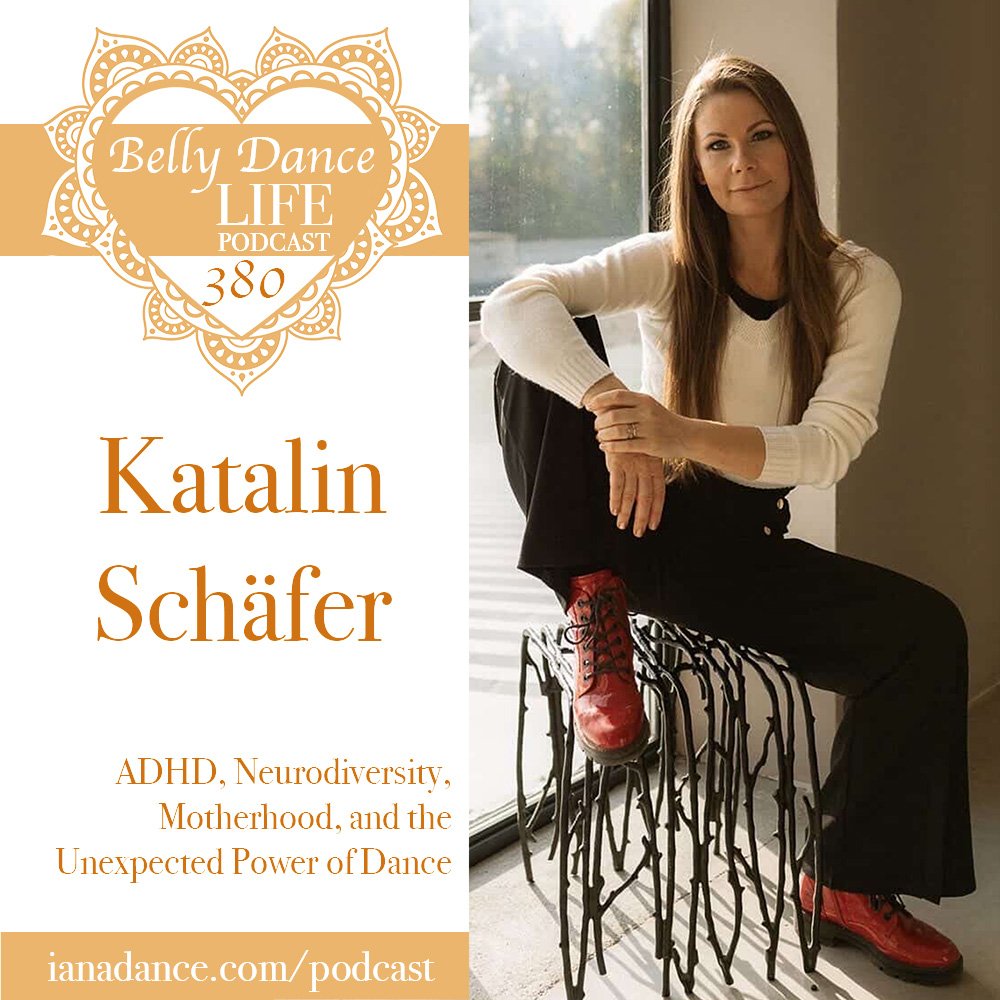
Katalin Schäfer is a Hungarian dancer, choreographer, teacher, costume designer, and psychology student whose work bridges Middle Eastern dance, modern fusion, somatic movement, and self-awareness practices. With more than 20 years of international teaching, performing, and judging experience, she is the creator of the NEUture Dance method, a neuroaffirmative approach that integrates movement, body awareness, creativity, and nervous system regulation. Katalin is the director of GoldenScarf Arabic Folklore Dance Theater, founder of numerous artistic and retreat projects, and an award-winning performer whose career has taken her to festivals and events across Europe, North America, and Asia. Currently pursuing a degree in psychology, she combines her extensive dance background with research into neurodiversity, somatic practices, and personal development, helping participants cultivate authentic expression, resilience, and deeper connection through movement.
In this episode you will learn about:
How an ADHD and autism diagnosis completely changed one dancer’s understanding of herself
Why dance became a healing tool long before she understood the science behind it
The surprising ways neurodivergent traits can become strengths in dance and creativity
The difference between a dance retreat, somatic practice, and actual therapy—and why the distinction matters
The challenges of balancing motherhood, a dance career, university studies, and personal wellbeing
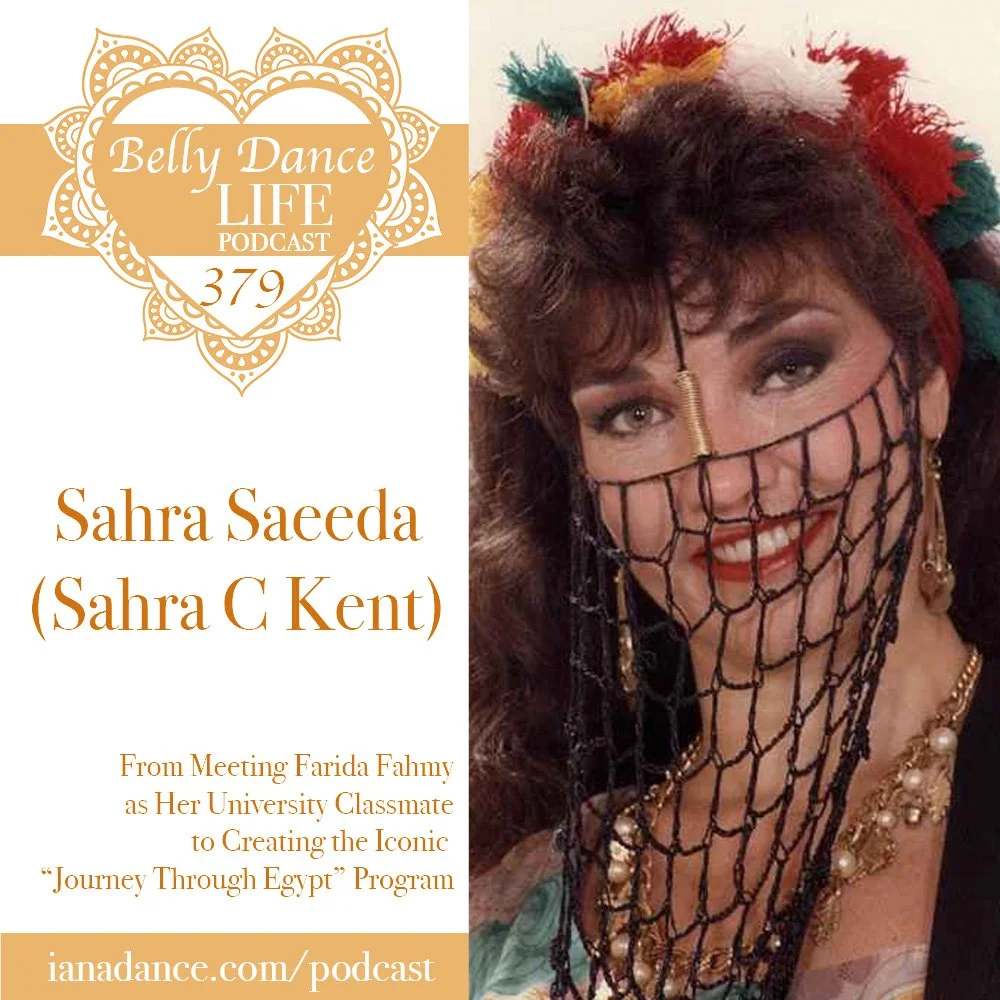
Sahra Saeeda (Sahra C Kent) is an internationally respected belly dancer, researcher, teacher, and choreographer whose career bridges performance, anthropology, and deep cultural study of Egyptian dance. Originally trained in Modern Dance, she later discovered Arabic music and belly dance, eventually building a successful career that included nearly six years performing six nights a week at the Meridian-Heliopolis Hotel in Cairo, completing over 1,600 performances. While pursuing a Master’s degree in Dance Ethnology, Sahra studied and worked closely with Farida Fahmy, whose mentorship deeply influenced her artistic path. She later founded the theatrical dance company Ya Amar! and created the acclaimed Journey Through Egypt program, an immersive educational experience exploring Egyptian dance, folklore, music, and culture through an anthropological lens. Today, Sahra continues to teach workshops, lectures, and Journey Through Egypt worldwide, sharing more than three decades of research and lived experience.
In this episode you will learn about:
What it was like to have Farida Fahmy as a university classmate at UCLA — and the emotional story of unexpectedly meeting an idol
How one “dream performance” in Cairo unexpectedly turned into a hotel contract
What zaffa really means in Egyptian culture — beyond the wedding performance dancers usually see
The hidden symbolic role of the dancer in Egyptian wedding rituals and feminine power
Why folklore research became a lifelong mission — and how it led to “Journey Through Egypt”
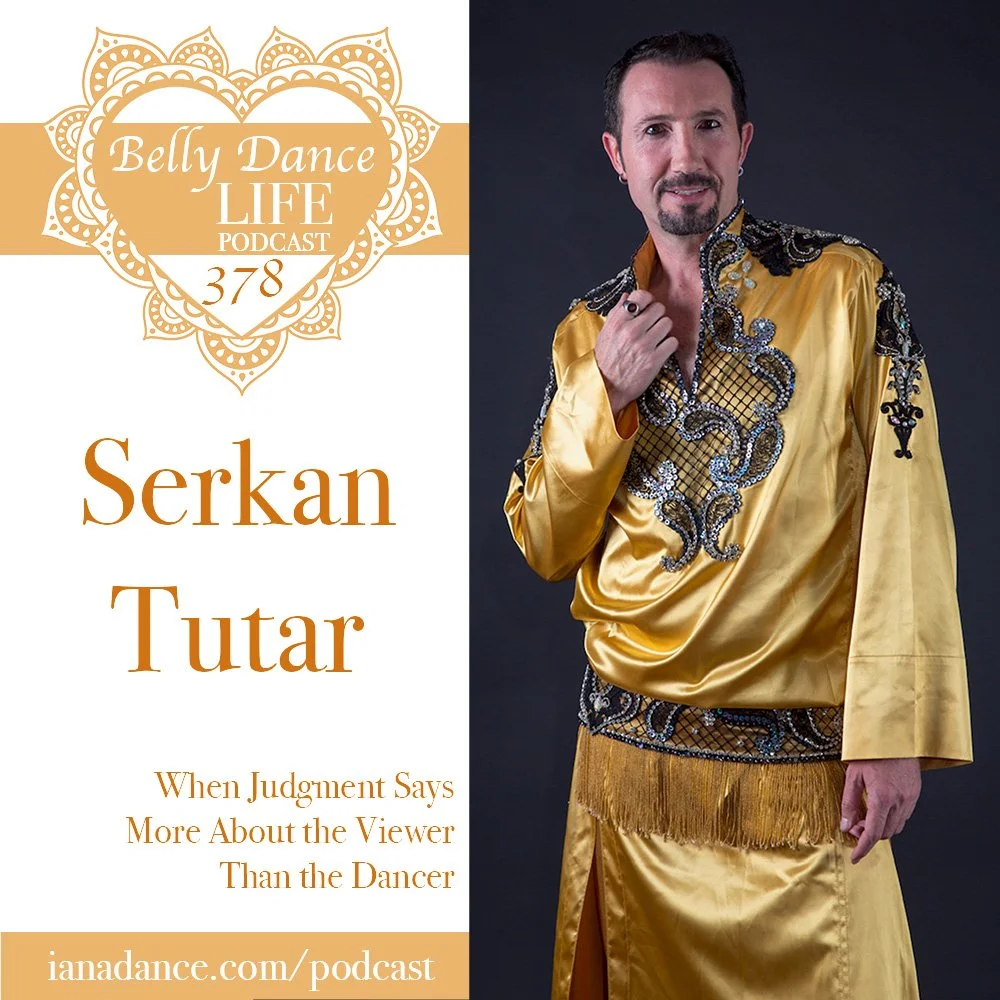
Serkan Tutar is an internationally award-winning Turkish belly dancer, teacher, choreographer, and festival organizer known for his dynamic stage presence and multicultural approach to Oriental dance. Originally from Turkey and now based in Belgium, Serkan discovered his passion for belly dance as a child during his time in Saudi Arabia and was deeply inspired by Middle Eastern music and culture. Winner of Male Bellydancer of the World 2008 and Brandon Oasis 2006, he has taught and performed in over 30 countries worldwide. Specializing in Turkish and Modern Egyptian style, Turkish Romani, Baladi, Saidi, veil work, and his signature “crazy drum solos,” Serkan is also the organizer of the internationally recognized Rakkas Istanbul International Oriental Dance Festival. Known for his warmth, humor, and supportive teaching style, he continues to inspire dancers around the world through workshops, performances, and mentorship.
In this episode you will learn about:
Why jealousy can quietly damage dancers more than competition ever could, and what’s the difference between jealousy and envy from the dance career perspective
The ongoing challenges of being a male belly dancer
Why body type, age, gender, or appearance should never define who gets to dance
The reality of online criticism, keyboard warriors, and how dancers can protect themselves emotionally
Why many “international festivals” are not really festivals—and how this is changing the dance industry
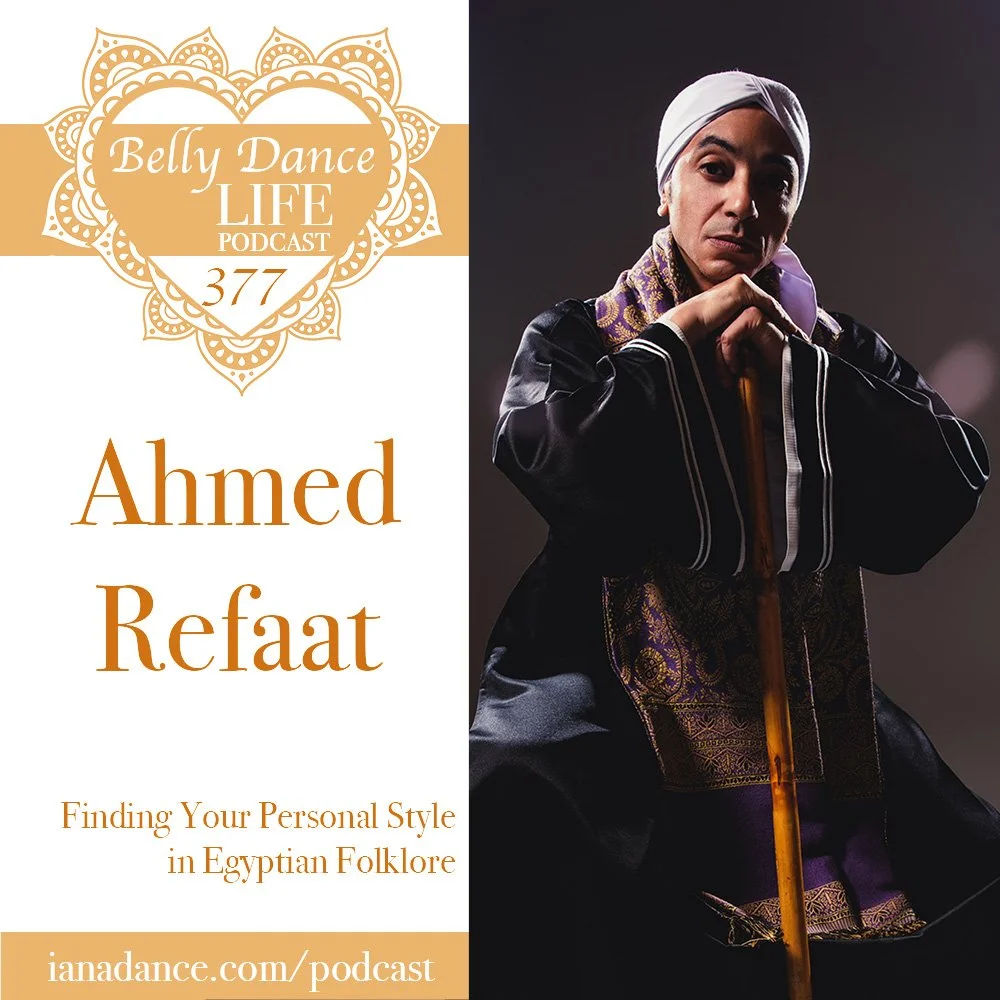
Ahmed Refaat is an Egyptian folkloric dancer, choreographer, and master teacher with over 35 years of experience dedicated to preserving and sharing the richness of Egyptian dance culture. Beginning his dance journey at the age of nine at El Gezira Youth Center under renowned teacher Mokhtar Mustafa, Ahmed later became an instructor himself, training new generations of dancers from a young age. He has performed and taught at major festivals across Europe, Asia, and the Middle East, including appearances in the Mahmoud Reda anniversary performances in Alexandria, Rome, and Madrid. Today, he is a sought-after international teacher, performer, and choreographer, known for his deep cultural knowledge, strong artistic vision, and passion for helping dancers understand not only the movements, but also the feeling, music, and spirit behind Egyptian dance traditions.
In this episode you will learn about:
The difference between folkloric dance and oriental dance—and why mixing them carelessly creates confusion
Why two dancers can use the same technique but feel completely different while performing folklore
How Egyptian choreographers transform real-life movement into stage performance through imagination
The reality of being both an artist and an entertainer—and why there is no shame in that
How studying Egyptian folklore can deeply improve a dancer’s oriental dance
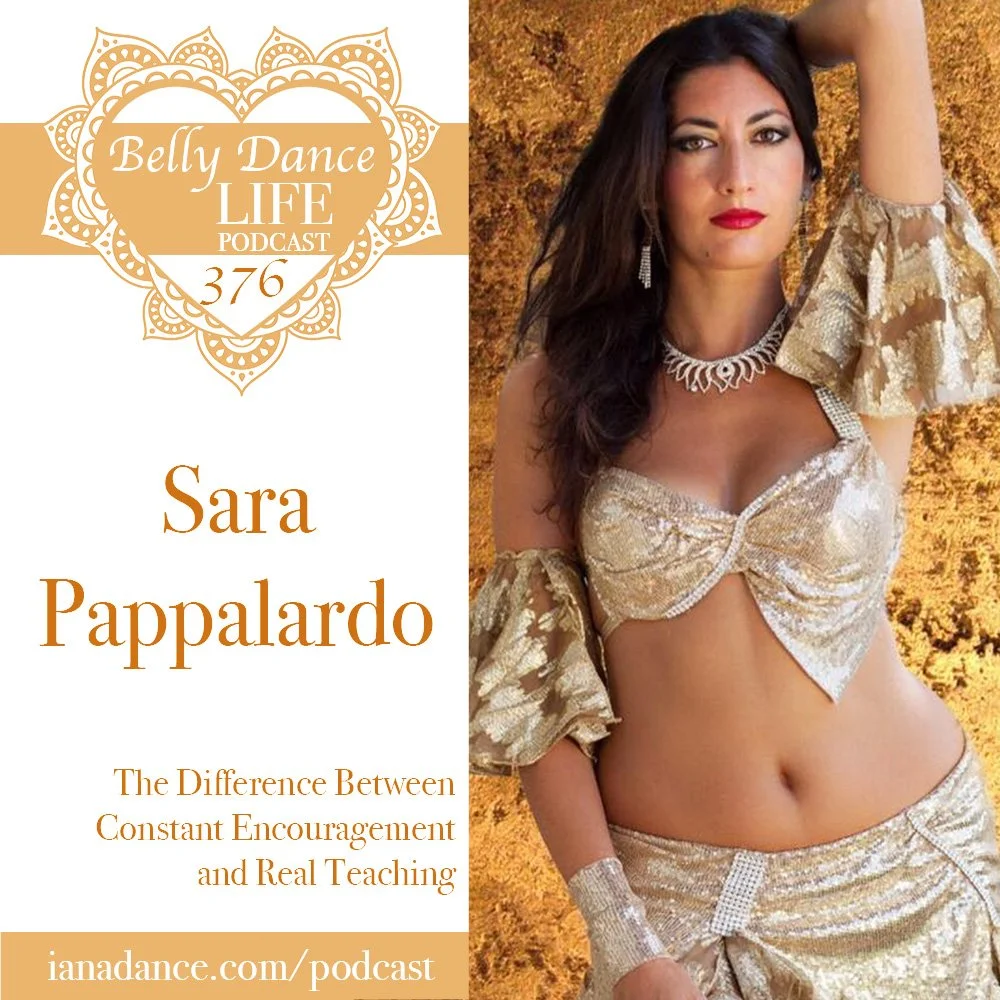
Sara Pappalardo is an Italian Oriental and Bollywood dancer, choreographer, teacher, and festival organizer based in Catania, Sicily. Founder of the dance school Tery al Kubra and artistic director of the internationally recognized Khamsin Festival, Sara is known for blending strong technical foundations with expressive freedom and deep musical understanding. Specializing in Muwashahat, she has also developed her own teaching method for finger cymbals and rhythm, helping dancers build a stronger connection to Arabic music and musical interpretation. Alongside her work in oriental dance, Sara explores Indian dances and fusion styles, bringing warmth, humor, and a deeply personal teaching approach to students across Italy and internationally.
In this episode you will learn about:
Living with endometriosis for over 20 years—and how belly dance became therapy, healing, and body acceptance
What studying Indian classical dance taught Sara about discipline, focus, and falling back in love with dance
Why good teachers should sometimes say “you’re not ready yet”—and why that can be a gift
How finger cymbals can completely transform a dancer’s understanding of rhythm and musicality
The beauty of fusion dance—and how mixing influences can become a way of expressing your full self
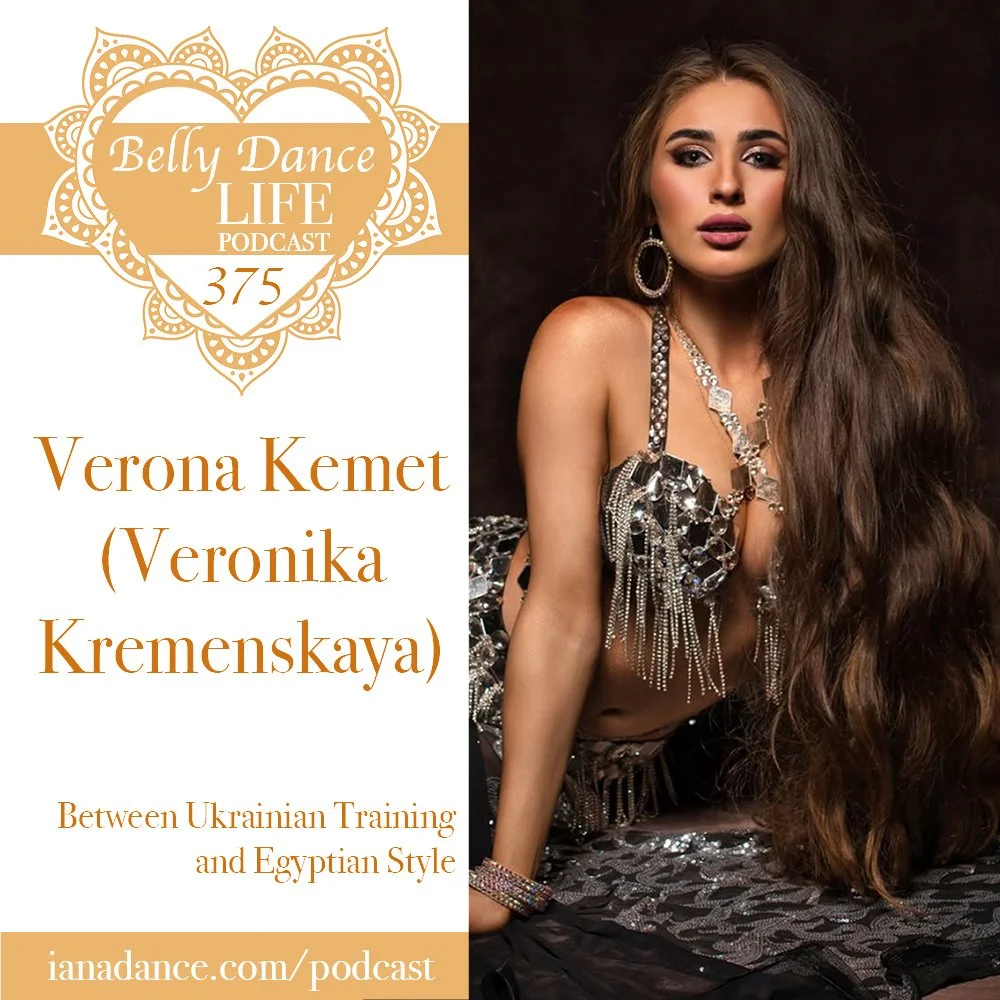
Verona Kemet (Veronika Kremenskaya) is a Ukrainian belly dancer, known for her strong musicality, expressive style, and deep connection to Egyptian dance aesthetics. She has taught workshops and master classes across Europe, the Middle East, Asia, and Latin America, including Spain, Italy, Korea, Saudi Arabia, Kuwait, Lebanon, Brazil, and Egypt. A highly accomplished competitor, Veronika is the winner of the Royal Crown at Cleopatra Festival 2025, among many other international events. Her artistic style has been shaped through long-term study with renowned Egyptian masters including Mohamed Shahin, Khaled Mahmoud, Kareem Gad, and Sahar Samara, blending technical precision with a strong commitment to musical interpretation and authentic oriental dance.
In this episode you will learn about:
Growing up in Ukraine and choosing belly dance over every other style at just six years old
Training, competing, and continuing festival life while navigating war, blackouts, and daily instability
Finding an artistic identity between Ukrainian training and Egyptian style
The difference between “just improvising” and truly knowing how to improvise
The pressure of beauty standards in modern belly dance—from tanning to stage makeup and image expectations
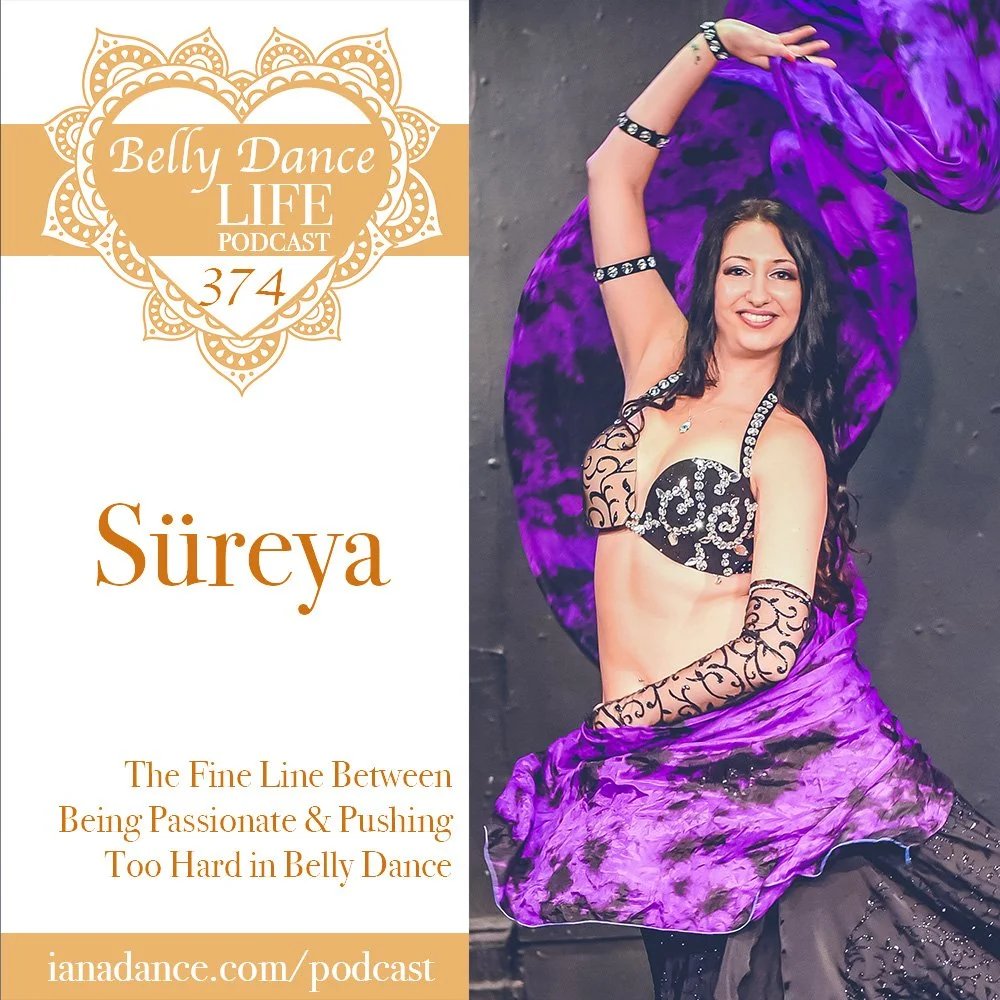
Süreya is a London-based, internationally recognized Turkish belly dancer, choreographer, and instructor known for her dynamic stage presence, strong musicality, and versatility across multiple Middle Eastern dance styles. Deeply connected to her Turkish cultural roots, she has trained extensively in Turkish, Egyptian, Lebanese, Iraqi, and Khaleegy dance, as well as ballet and theatrical fusion. A multi-award-winning performer, Süreya has taught and competed in over 10 countries, including Turkey and Egypt, earning recognition at major international festivals and competitions such as Rakkas Istanbul, the International Belly Dance Battle, and Dum Tak Festival. Alongside performing at prestigious venues and events across the UK and internationally, she is also known for her passionate teaching style, commitment to continuous learning, and dedication to sharing authentic oriental dance with new generations of dancers.
In this episode you will learn about:
Growing up loving belly dance in Turkish culture while feeling pressured to hide it
How burnout affects dancers mentally more than physically—and ways to recover from it
Why nutrition, fitness, and structure become essential for sustaining a dance career
The importance of lifelong learning and studying with many different teachers
Competing in nine categories while unknowingly dancing with pneumonia—and the reality behind pushing too hard
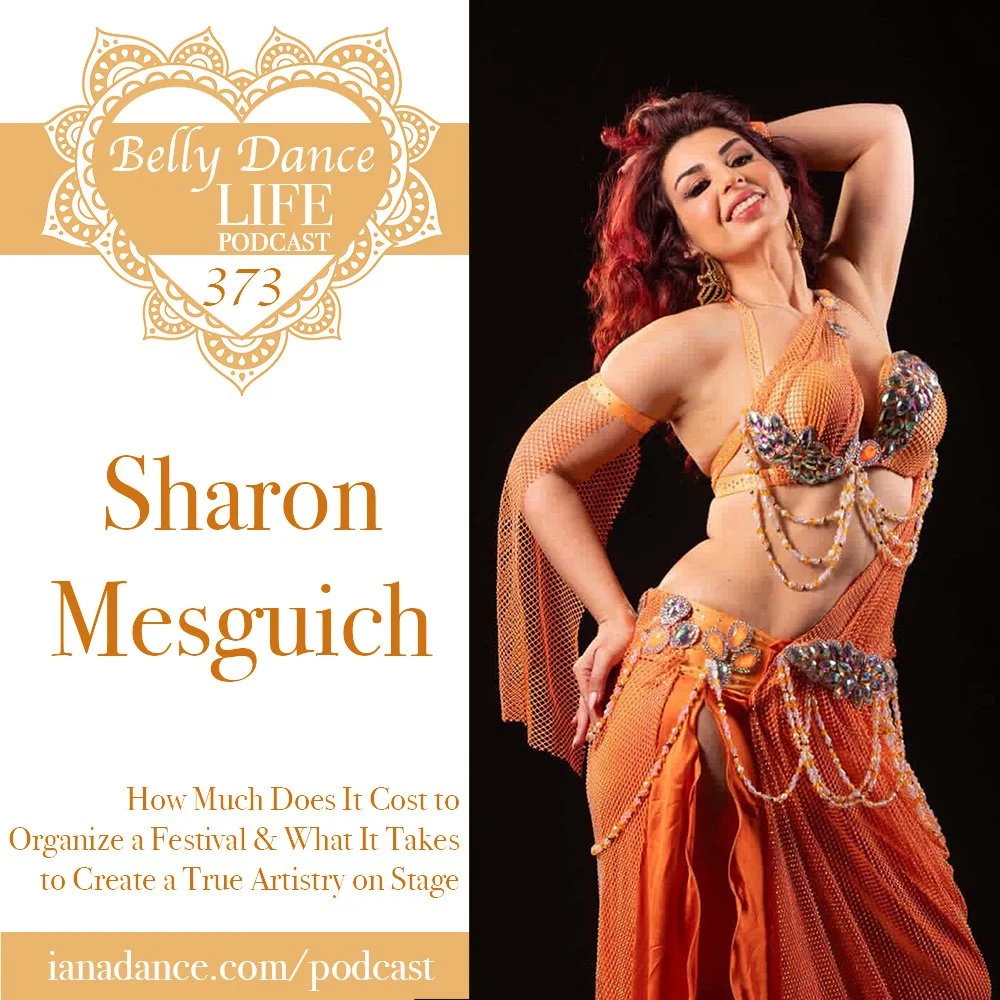
Sharon Mesguich is a French, Tunisian, and Algerian belly dance artist, teacher, and festival organizer known for her dynamic stage presence and deep connection to Egyptian style. Introduced to oriental arts from a young age, she discovered belly dance in 1999 and has since built an international career, performing at major venues and events while teaching across Europe, the Middle East, Asia, and beyond. She trained extensively in Egypt with renowned masters such as Dina, Mahmoud Reda, and Mayodi, shaping her musicality, technique, and expressive style. In 2004, she founded her school “Les Danseuses du Sinaï” in Montpellier, and later created the Oriental Marathon Festival, now one of the leading belly dance events in France. Known for her energy, generosity, and strong artistic identity, Sharon is dedicated to preserving the essence of oriental dance while supporting new generations of dancers through performance, education, and community.
In this episode you will learn about:
What it really takes to organize a large-scale belly dance festival—and why it’s far more complex than it looks
The behind-the-scenes reality of hosting a dance cruise, from logistics to unexpected chaos
How improvisation in belly dance is not truly “improvised”—but built on deep musical knowledge
The difference between dancing steps and creating a real emotional connection on stage
How to develop your own style by learning from many teachers without copying them
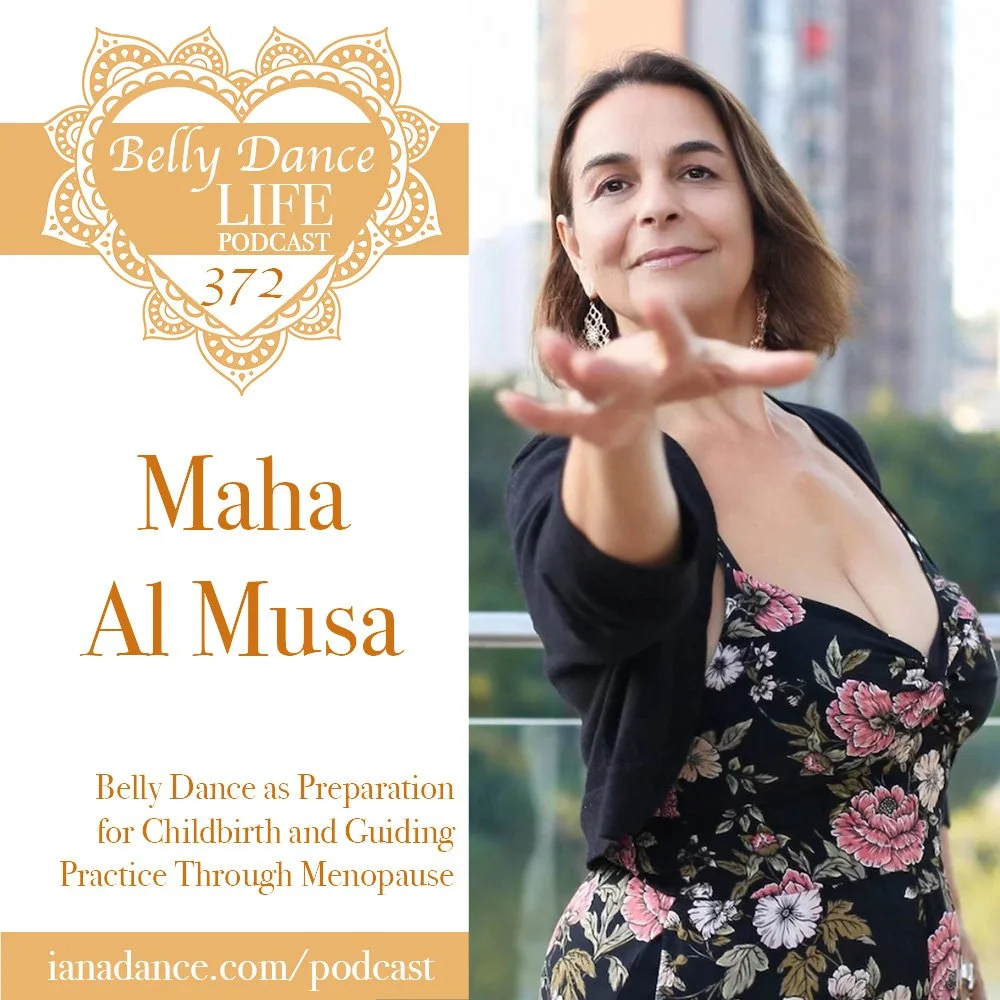
Maha Al Musa is an award-winning international childbirth educator, speaker, and the founder of EmbodyBirth and BellydanceBirth®, a pioneering approach to pregnancy and birth preparation she has been teaching since 1997. A leading advocate for natural birth, breastfeeding, and women’s embodied wisdom, she is the author of the acclaimed book Dance of the Womb: The Essential Guide to Belly Dance for Pregnancy and Birth, along with a widely recognized practice video series. Maha has presented at major conferences and institutions worldwide, sharing her work across Australia, the USA, India, and China. A mother of three, she is known for integrating personal experience with decades of teaching, including giving birth to her daughter at 46 in a home water lotus birth. Her work has received international awards and endorsements from respected figures in the birth community, and continues to influence both mothers and birth professionals globally.
In this episode you will learn about:
Why most women are disconnected from their bodies—and how dance can rebuild that trust
Reasons why traditional belly dance was never about choreography—but about energy, emotion, and shared presence
Why professional belly dancers often struggle with birth—and the impact of muscle tension and control
How fear, medical systems, and external authority can disconnect women from their own instincts
Approaching menopause as a powerful rite of passage rather than decline
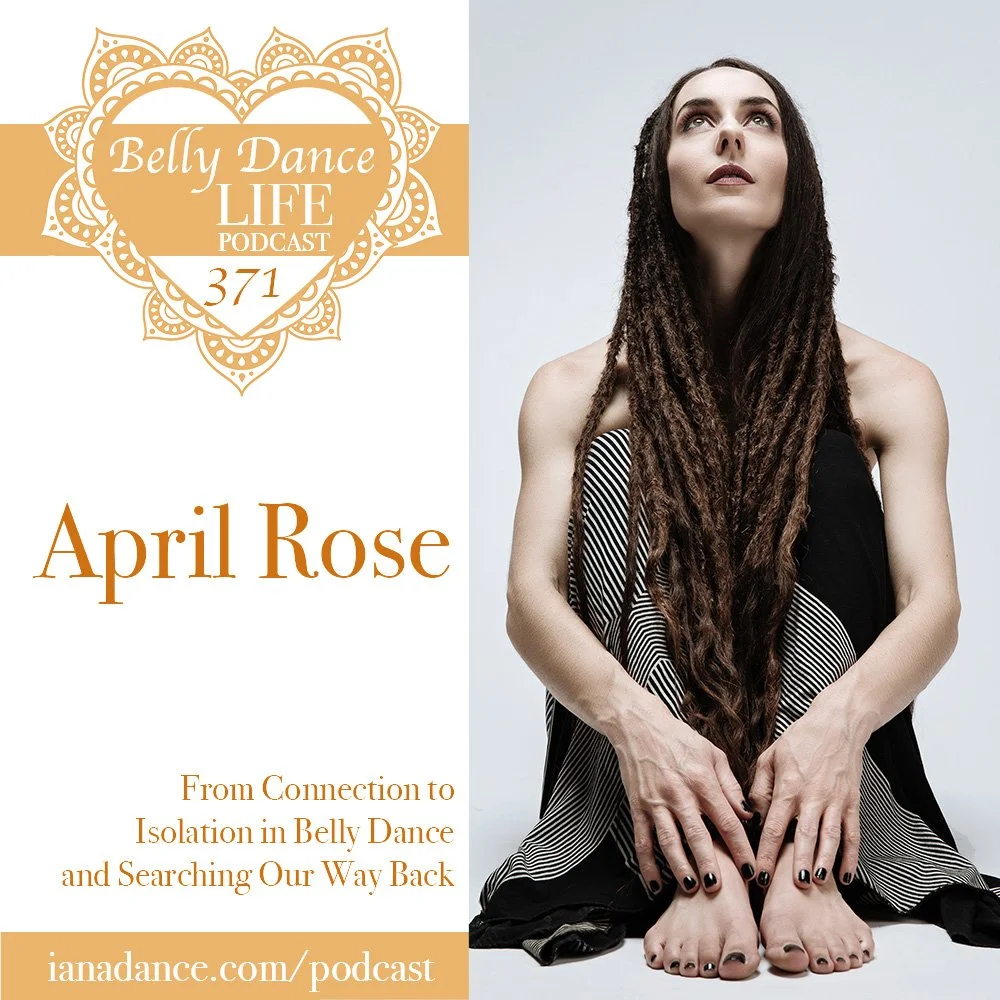
April Rose is a belly dancer, teacher, and creator of the Dance Cohesion method, known for her precise technique, integration of finger cymbals and frame drum, and emphasis on group improvisation and musical connection. Based in Austin, Texas, she has taught and performed in over 25 countries, sharing a fusion approach rooted in Middle Eastern, North African, Turkish, Hellenic, and Central and South Asian dance influences. With a background that includes a bachelor’s degree in Dance and a master’s in Culture and Performance from UCLA, April combines academic research with embodied practice, exploring dance as a tool for presence, creativity, and human connection. She is also the founder of the Boss Bellydancer training program, where she mentors dancers in building sustainable and meaningful professional careers.
In this episode you will learn about:
What multi-generational dance spaces can teach us beyond technique
How alternative dance communities expanded ideas of beauty, identity, and self-expression
The balance between respect for cultural roots and freedom to explore the dance
The reality of building a sustainable dance career without burnout
Why dance is ultimately a practice of presence, creativity, and human connection
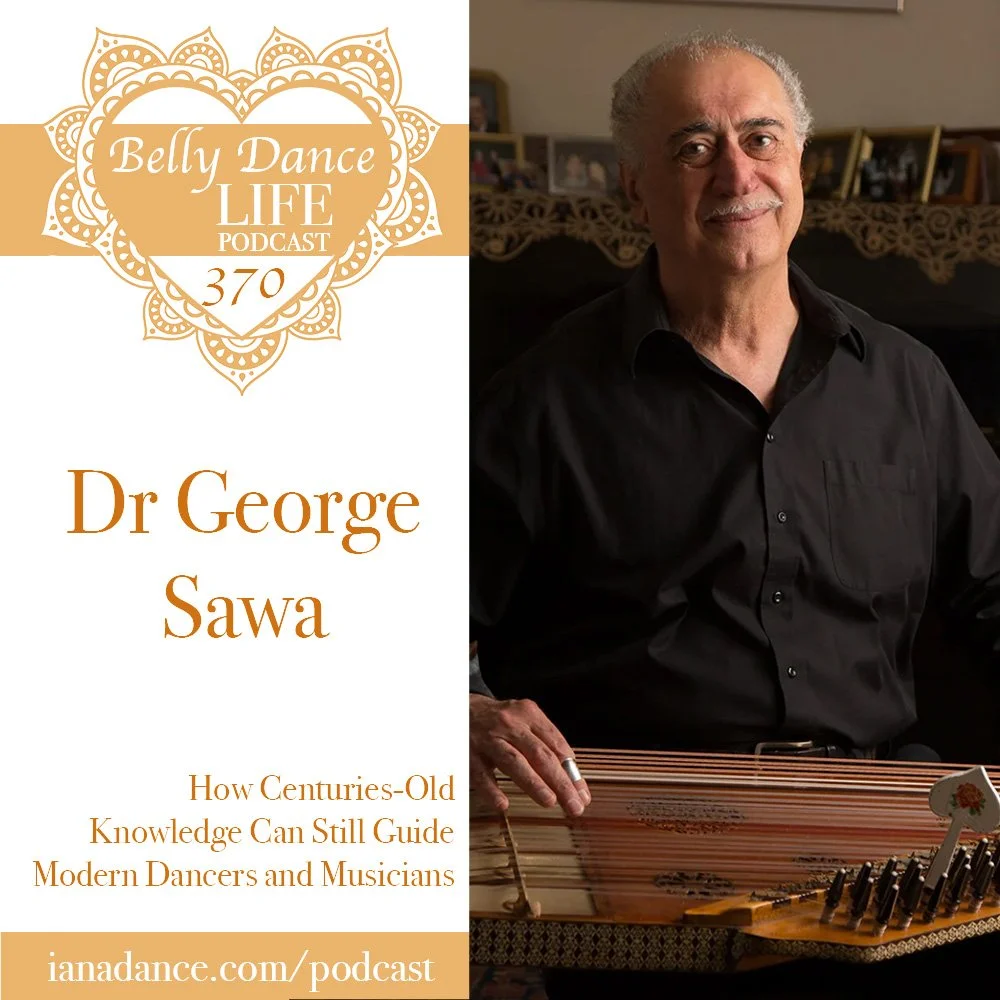
Dr. George Sawa is an internationally recognized musicologist, performer, and educator specializing in Arabic music history, theory, and performance. Born in Alexandria, Egypt, he brings over 50 years of experience, with training from the Higher Institute of Arabic Music and a PhD in historical Arabic musicology from the University of Toronto. He has taught at the University of Toronto and York University, and lectured and performed worldwide. A prolific author on medieval and modern Arabic music, his work bridges historical research with contemporary practice and has become an important resource for the dance community. He was awarded the Lifetime Achievement Award by the Egyptian Ministry of Culture for his contributions to Arabic music research.
In this episode you will learn about:
How translating 11th-century Arabic music dictionaries reveals detailed insights into dancers, musicians, and aesthetics of that time
Why even medieval musicians warned dancers about tricky drummers—and the importance of knowing the music
The reality of fusion in history—and why some combinations worked while others failed
How European influence shaped Egyptian music and led to the rise of large orchestras
Why modern dancers struggle to interpret older music—and what is required to truly dance to it
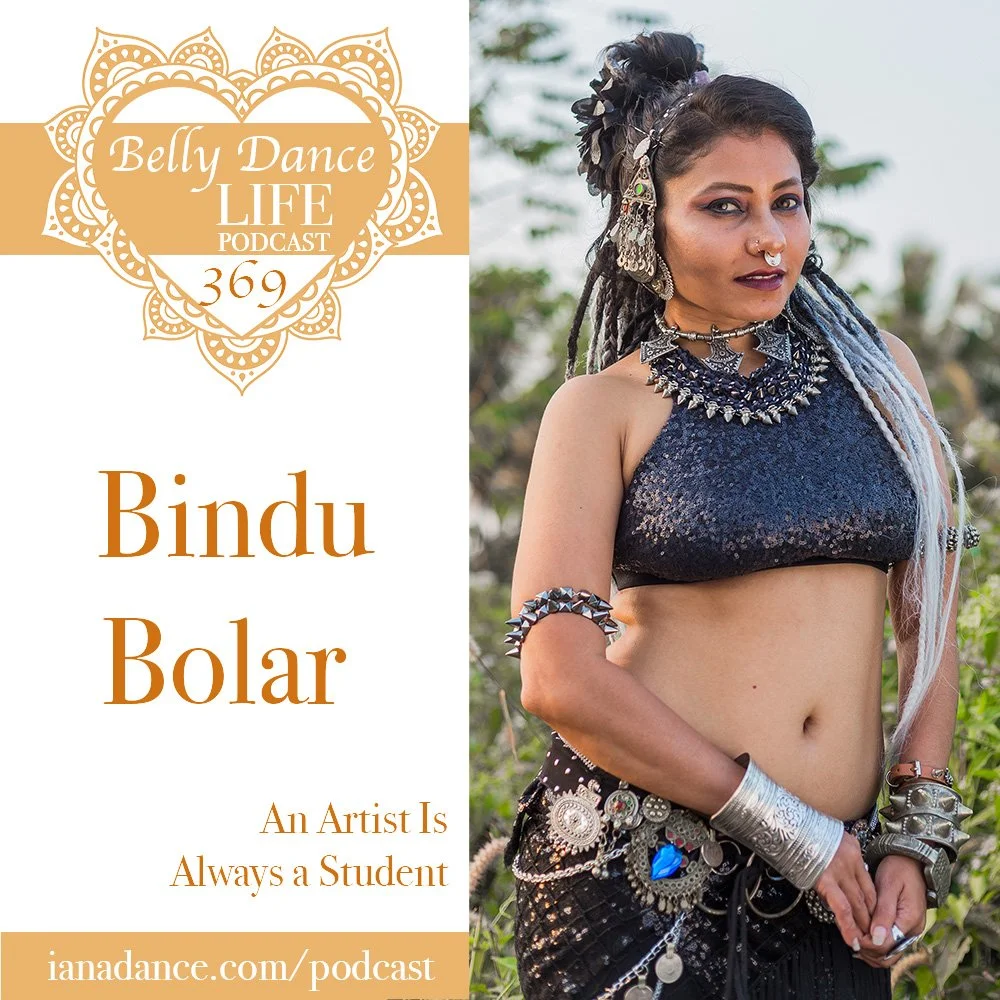
Bindu Bolar is an award-winning Indian dance artist and a pioneer of Tribal Fusion Belly Dance in her country, known for creating her signature style, “Belly Animation,” which blends belly dance with popping and animation. She is the founder and artistic director of Lights Camera Dance in Bangalore and has built an international career as a performer and teacher, leading workshops across the USA, Europe, and Asia. After initially balancing a career in software with dance, she chose to fully pursue her artistic path despite social pressures. Bindu has trained with leading figures including Rachel Brice, Zoe Jakes, and Carolena Nericcio, and was the first Indian dancer to win an International Belly Dance title in the Solo Tribal category. She continues to evolve as an artist and educator, with a strong focus on individuality and lifelong learning.
In this episode you will learn about:
Why movement can become a form of communication beyond words
What it means to move beyond technique and become an artist who makes people feel
The reality of pursuing dance in a conservative environment—and the stigma around belly dance
How dancers navigate family pressure, social judgment, and career risks
Reframing success and failure into milestones and lessons in a lifelong artistic journey
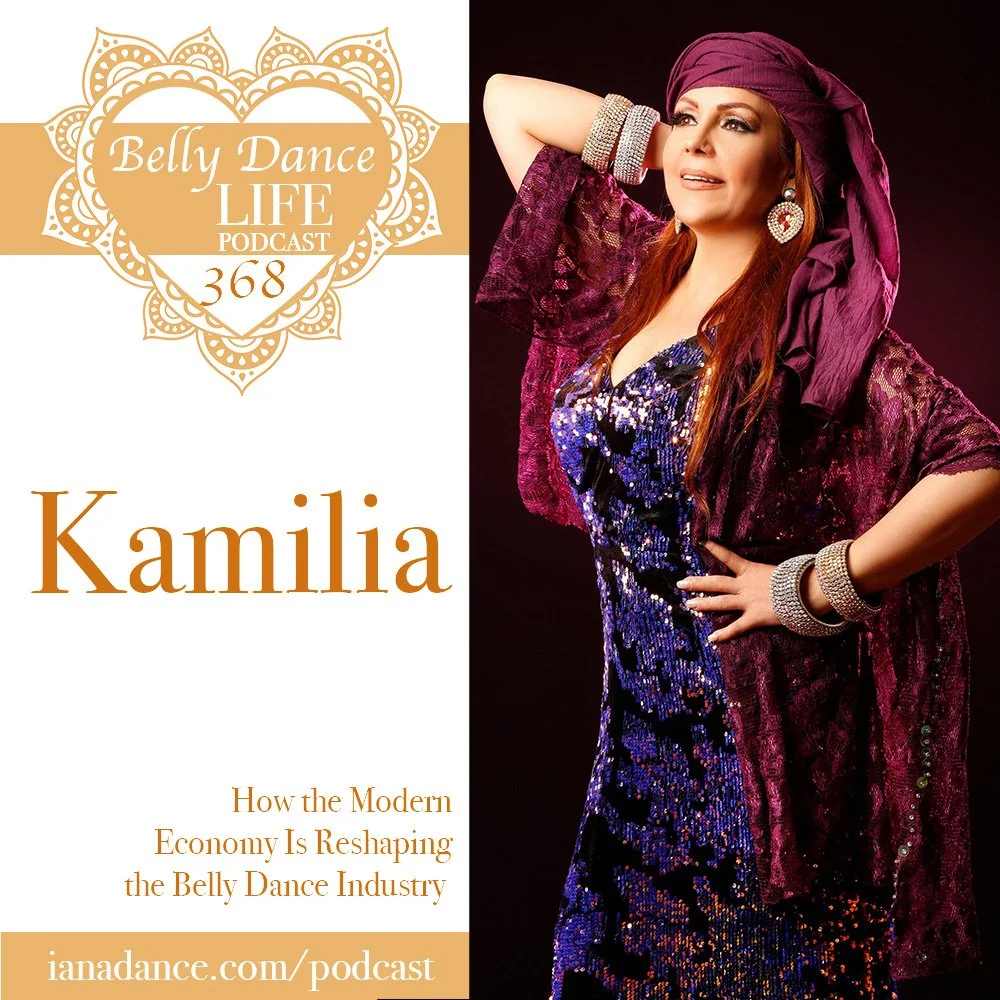
Kamilia is a Brazilian-born belly dancer who built an international career performing across Lebanon, the United Arab Emirates, and Egypt, where she became known for her powerful stage presence and deep connection to Oriental music. Beginning her dance journey at the age of six, she went on to become one of the youngest dancers featured on LBC TV and trained under renowned figures including Caracalla. At the height of her performance career, she appeared in top five-star hotels in Cairo, sharing stages with icons such as Lucy, Mona Said, Fifi Abdou, Dina, and Hendeya, and performing with large live orchestras of up to 45 musicians. Today, Kamilia works as a teacher, artistic producer, and event organizer, dedicated to building a supportive and professional global dance community.
In this episode you will learn about:
How Oriental dance has shifted from local Arabic dominance to a global, foreign-led scene
How economic changes transformed belly dance performances into shorter, simplified formats
What does it mean to be prepared for the dance improvisation
Why foreigners must train their ears differently to truly understand Arabic music
What it means to remain a “forever learner” after 30+ years in dance
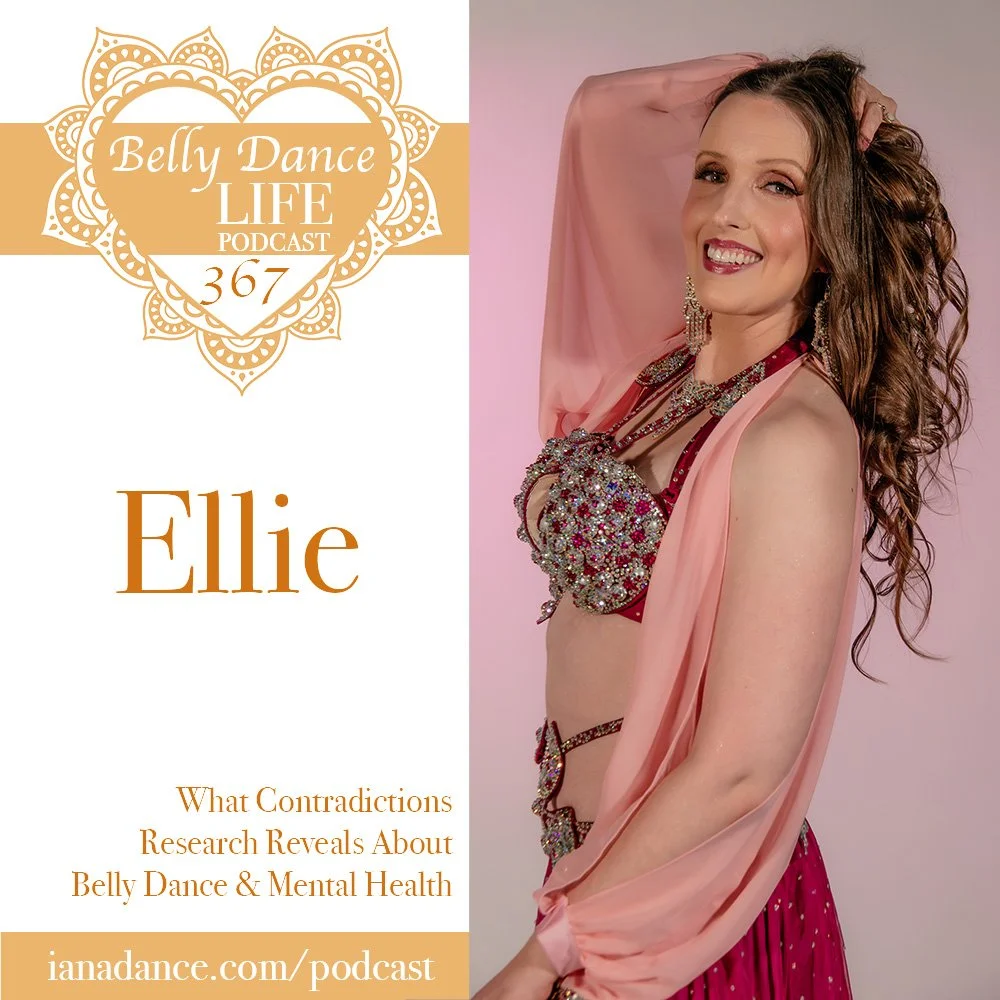
Ellie is a belly dancer, teacher, and researcher who approaches Raqs Sharqi with a deep respect for its cultural roots and a focus on connection through movement. Dancing since childhood, she discovered belly dance in 2014 and has since spent over years teaching and performing, cultivating a practice centered on confidence, femininity, and ongoing learning. Alongside her dance career, Ellie holds a PhD in Mental Health and brings a research-based perspective to understanding the psychological and emotional experiences of dancers. She has trained and certified with leading international instructors, including Kaeshi Chai and Keti Sharif, and further deepened her connection to the dance through studies in Egypt and Turkey.
In this episode you will learn about:
Why belly dance can feel both empowering and intimidating at the same time
The difference between hobbyists and professionals — and the hidden pressures of making dance a career
The darker side of the dance world — competition, insecurity, and even bullying within the community
Simple but powerful tools for self-care — from shimmies to emotional awareness
And how belly dance continues to create connection, belonging, and a sense of home across the world
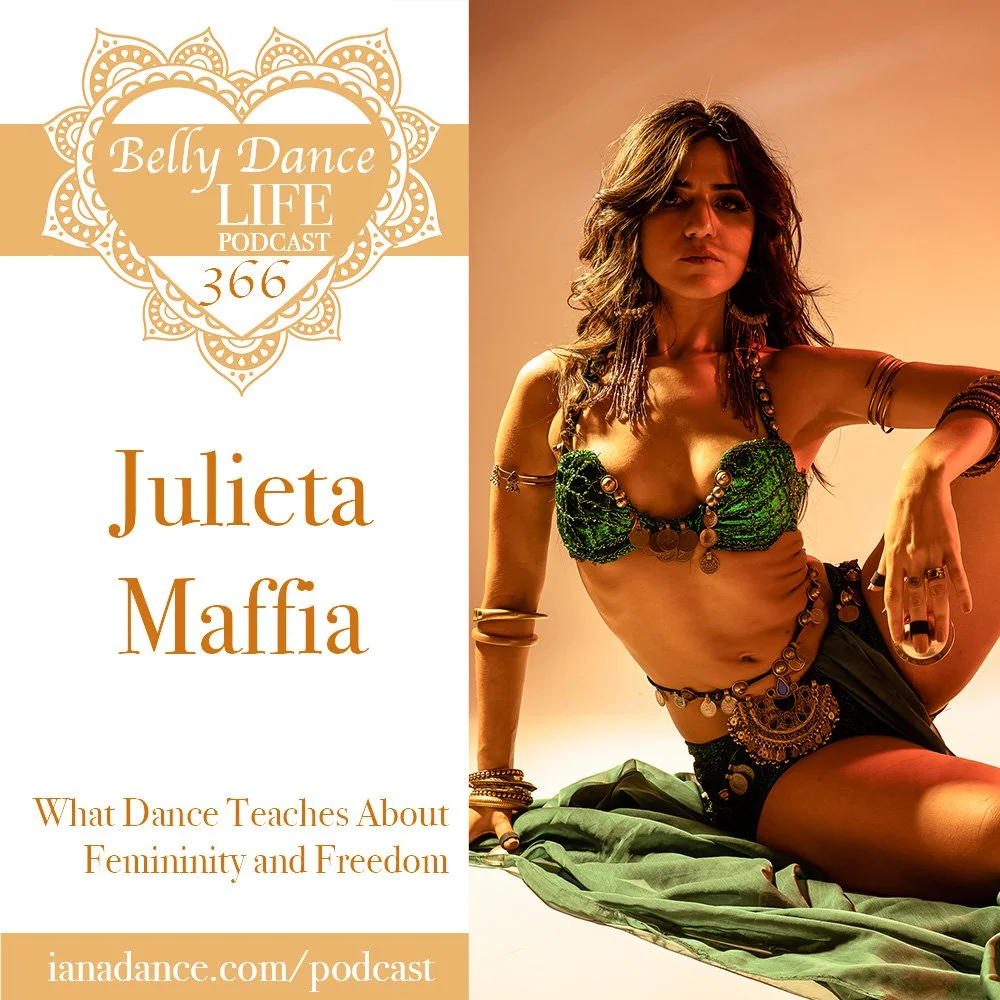
Julieta Maffia is a dance artist from Buenos Aires, Argentina, specializing in what was formerly known as Tribal Fusion Bellydance. She is the founder of Saturnus Studio, where she teaches regular classes and develops a wide range of artistic projects. Her work has been recognized internationally, allowing her to present the Argentinian approach to this dance form across different cities worldwide. Through her travels, Julieta continues to expand and refine her artistic voice, integrating diverse influences into her creation, teaching, and performance.
In this episode you will learn about:
The ongoing search for femininity and sensuality beyond stereotypes and expectations
How politics and media shaped public perception of belly dance in Argentina
Why growth happens through discomfort, failure, and real performance experience
How stage performance can unlock a level of freedom unavailable in daily life
Why workshops inspire—but real transformation happens through consistent training
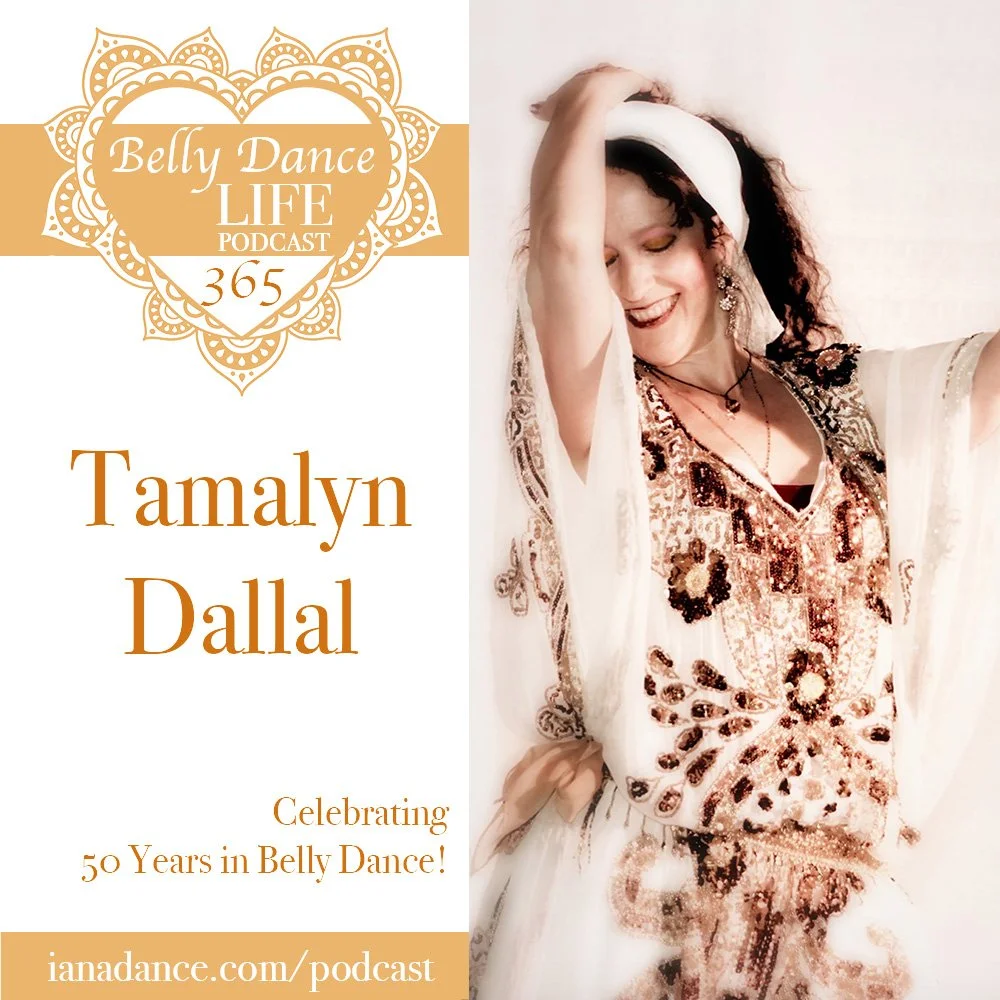
Tamalyn Dallal is an internationally renowned belly dancer, teacher, and author celebrating over 50 years in dance. She began her career in 1976 and toured South America in the 1980s performing for Arab communities before founding the Mid Eastern Dance Exchange in Miami Beach, a nonprofit school and performing company that operated from 1990 to 2007 and trained many professional dancers. She later created and produced the Orientalia International Dance Festival for 14 years, presenting leading artists from around the world and expanding the festival internationally. Tamalyn has performed or taught in 44 countries, was one of the original Bellydance Superstars, and has written four books, produced music recordings, and directed ethnographic dance films including Zanzibar Dance, Trance and Devotion and Ethiopia Dances for Joy.
In this episode you will learn about:
What it means to celebrate 50 years in belly dance and how the industry has transformed over five decades
How teaching online requires a completely different kind of presence, connection, and preparation
How choreography can expand a dancer’s vocabulary—but why true performance must go beyond memorized steps
The challenge of comparison in the age of Instagram—and why individuality matters more than perfection
How dancers can adapt to trends without losing their artistic voice
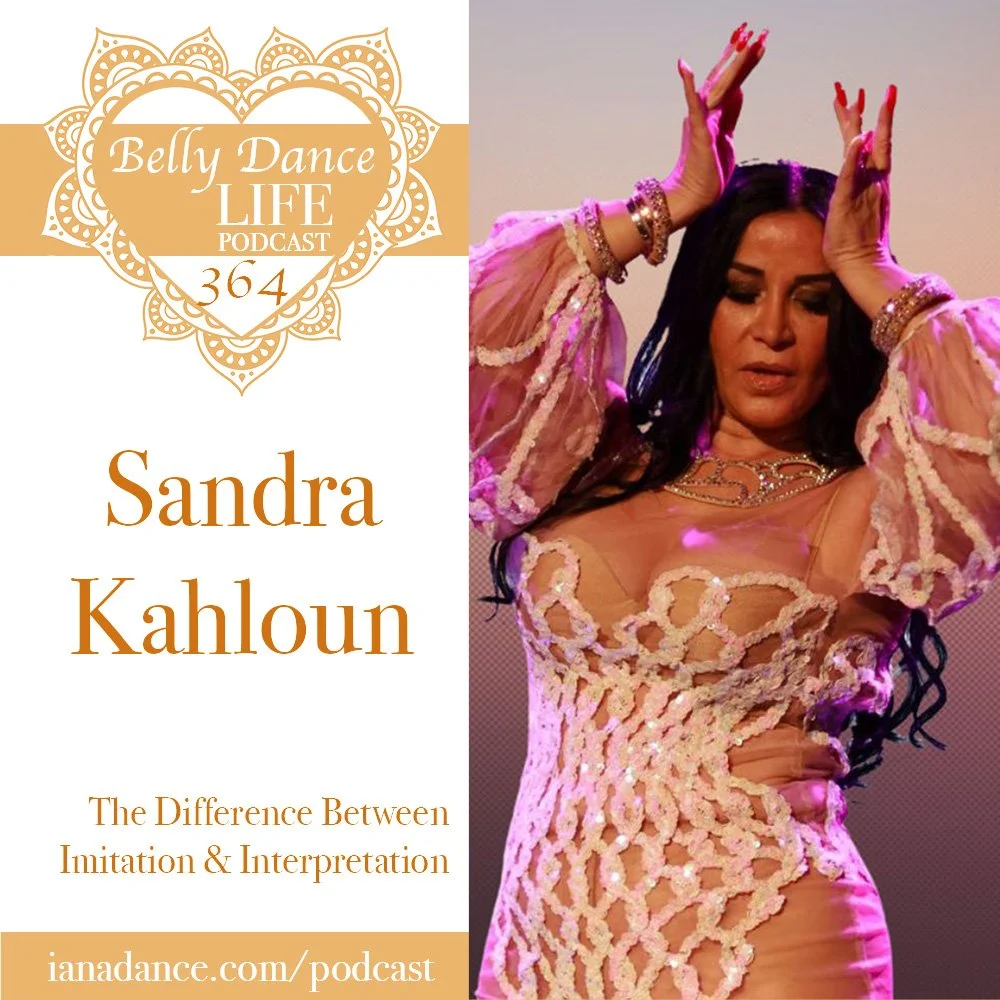
Sandra Kahloun, born in Tunisia and raised in the world of Oriental music, grew up surrounded by some of the greatest names of Egyptian art. Her father produced the renowned Egyptian orchestra Abdel Aziz Mahmour in 1970s Paris, and her mother was an interpreter of Oum Kalsoum’s repertoire, giving Sandra a deep musical foundation from childhood. She trained extensively in Cairo with masters such as Ibrahim Akef and Sammy Abdelhalim, studying dance and repertory for over a decade at the Theatre and Arts Academy of Cairo. In 1986, she created “Sandra’s Method,” a codified teaching system centered on musical interpretation, repertory structure, and improvisation. Founder of one of the largest Oriental Dance Academies on the Côte d’Azur, she has trained dancers and choreographers worldwide and is known for her rigorous musical standards, technical precision, and dedication to preserving the depth and integrity of Egyptian dance traditions.
In this episode you will learn about:
Why classical belly dance is making a comeback — and why more students now crave musical depth over trends
The difference between copying choreography and truly interpreting a song
What it really means to be a teacher — and why great dancers are not automatically great educators
How Sandra’s structured method trains dancers for improvisation, not memorization
Why festivals and quick workshops cannot replace long-term musical training
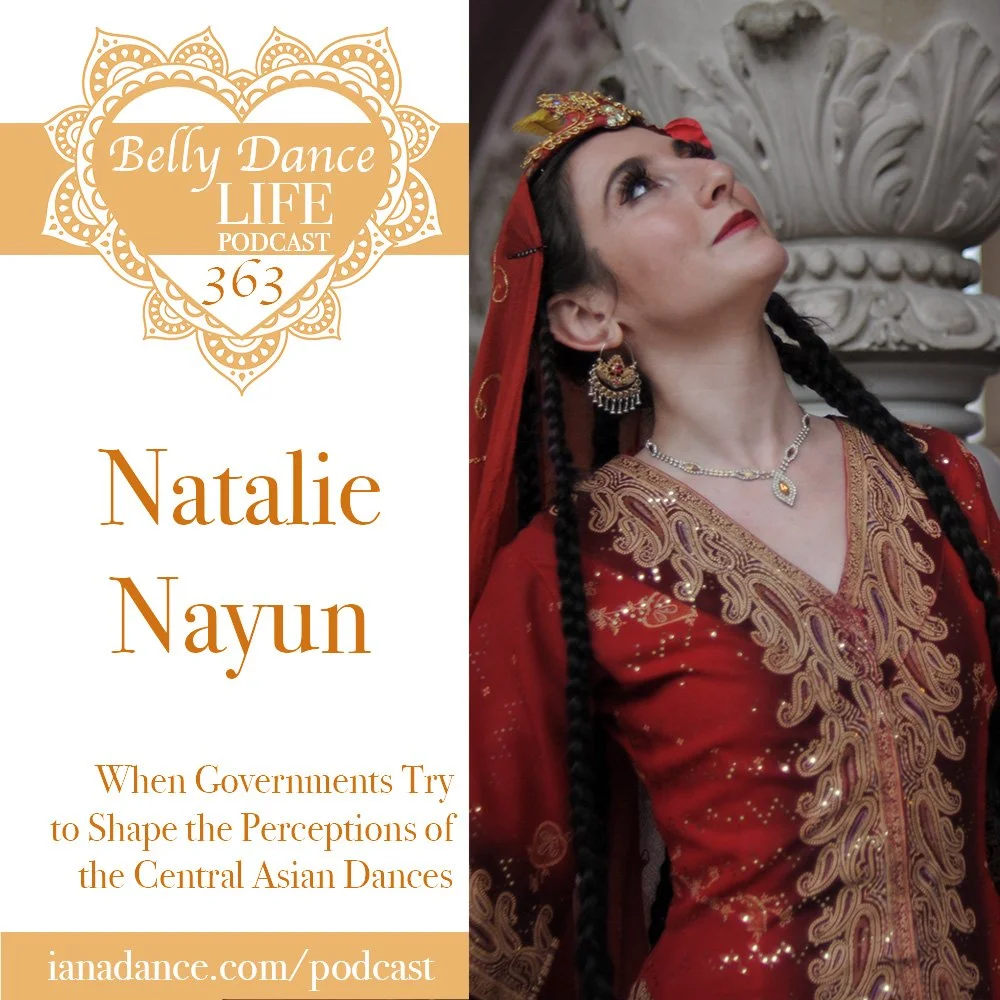
Natalie Nayun is an international teacher and performer specializing in contemporary and folkloric dance traditions from Central Asia and the Middle East. With over 20 years of dance experience and 15 years of teaching, she has studied extensively in Uzbekistan, Tajikistan, Turkey, and Oman, conducting research and training through grants including the HAAS Scholar Award, CLS, and FLAS for Persian language study. She is a well-known soloist and Assistant Director of Ballet Afsaneh, choreographer for the UC Berkeley Central Asian and Middle Eastern Dance Company, Sorayya, and former director of Adara Dance Company. Natalie has completed residencies with state dance ensembles in Tajikistan and Uzbekistan and continues to travel regularly to the region for research and collaboration.
In this episode you will learn about:
The powerful difference between social dance and theatrical folk versions shaped by government agendas
What Natalie discovered studying in Tajikistan and Uzbekistan: 5 a.m. training, government ensembles, village libraries — and people drumming on tables to show her their dance
How weddings, birth rituals, and even mourning ceremonies keep dance alive as a lived, communal practice
The creation of a global online platform dedicated to the Central Asian dances, which supported 40+ teachers worldwide during the pandemic time and afterward
Why art is often the first thing silenced by governments— and what that reveals about its power

Silvia Brazzoli is an international belly dance artist, instructor, artistic director, yoga teacher, and visual artist based in Italy. She began studying oriental dance at the age of 18 and has since performed and taught across Europe, Asia, Africa, and the Americas. Known for her elegant, feminine style and empowering approach to teaching, Silvia continues to explore oriental dance and other movement traditions as part of her ongoing artistic development. In Italy, she runs her own school and directs the Silvia Raqs Group, while also organizing events and retreats. She has received numerous international competition titles and has performed with world-renowned companies including Jillina Carlano’s Bellydance Evolution and Manca Pavli’s Amaya Dance Company. Her work brings together dance, yoga, musicality, body awareness, creativity, and a strong belief in the lifelong evolution of the dancer.
In this episode you will learn about:
How grief completely reshaped Silvia’s relationship with dance
What it feels like to fall out of love with dance and find your way back
Why talking openly about miscarriage matters in a women-dominated dance community
Why studying Arabic transformed the way she hears and interprets music
What local gigs teach you that festival stages never will